

See menu above or search in box at right (above on phones) for specific FLORA, FLORA, FUNGI or Other Articles of related interest (Earth science and Energy)
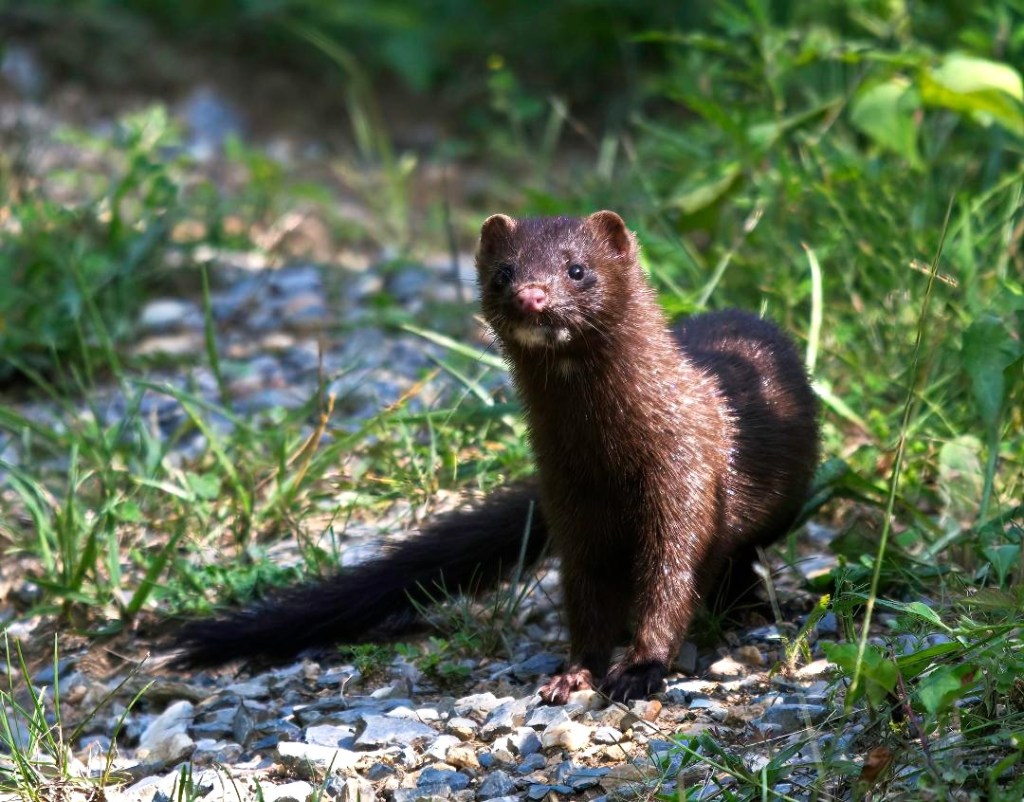
1 February 2026 – Minks are fierce predators of riparian habitats but are rarely encountered. The evolution of a thick, luxuriant fur coat was necessary to survive the cold and wet of northern forests. Fur trapping was one of the most important industries of colonial North America. Coats and stoles made from mink pelts height of fashion in the post world war consumer economy. The mink coat later became the symbol of human excess as the environmental movement sought to encourage conservation and animal rights. An interesting history to contemplate while sequestered in the ice of winter.
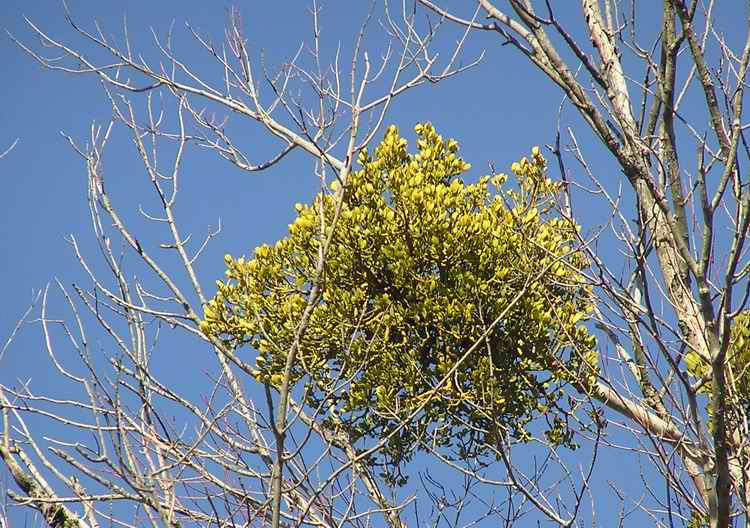
1 January 2026 – Mistletoe is one of the more esoteric and historical of holiday traditions, important to the Druids in ceremony, and to ancient healers for its potent medicine. At too high a dose, it is deadly poison. The name is derived from “dung twig” on account of its means of propagation by birds eating its berries. And it warrants a yuletide kiss. See details.
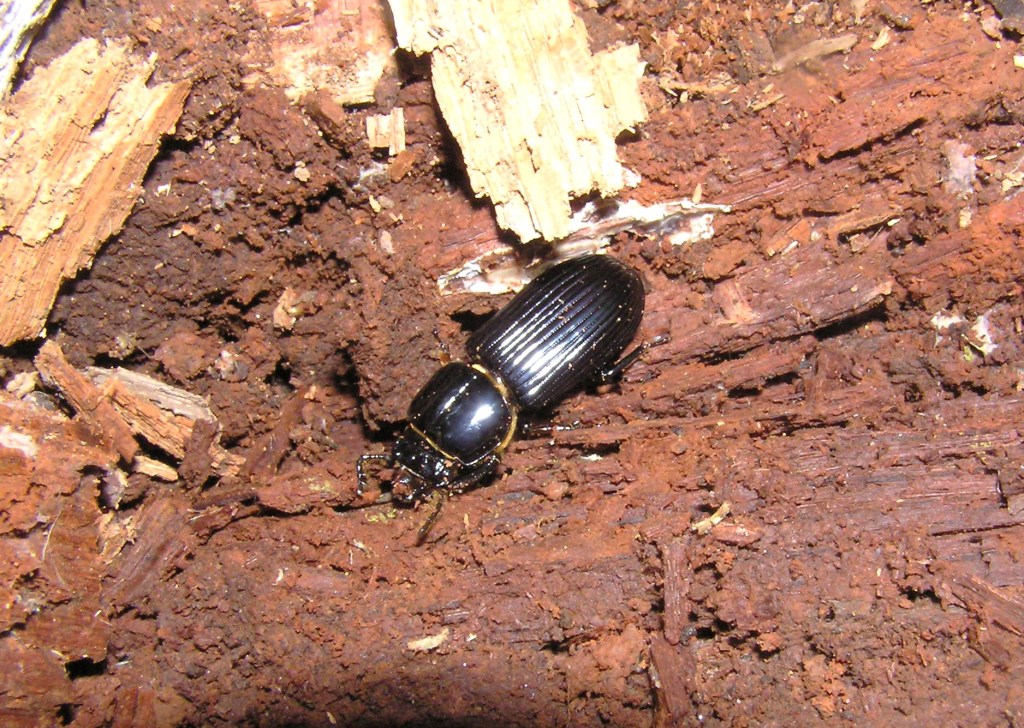
1 December 2025 – Ground beetles are important capstone species as apex predators of the detritus-covered soil that serves as the font for almost anything that grows. They consume more than their own weight daily, digesting mostly externally like spiders, ridding crops from many other larval insect pests. See footnote on the origin of the Beatles name.
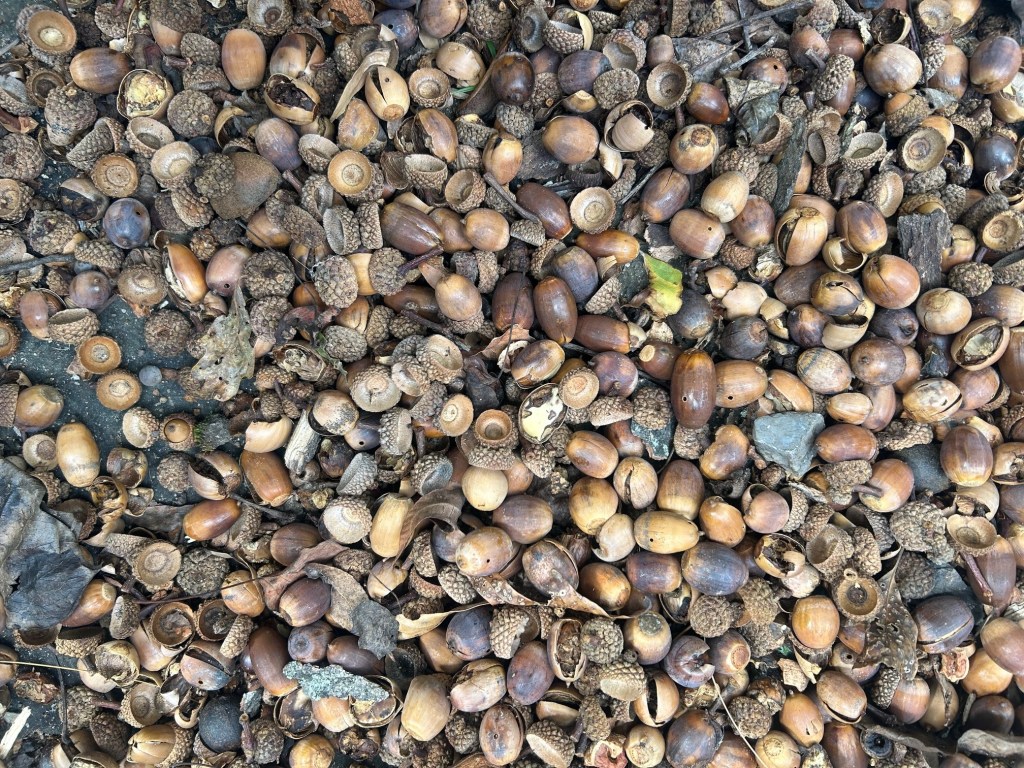
1 November 2025 – The Masting Behavior of Trees is the observed phenomenon of certain trees that produce huge quantities of nuts on a periodic basis, typically every 3 to 5 years. During the intervening years, there are almost none. This variability is subject to several theories including predator satiation (the squirrels can’t bury all of the acorns) and resource allocation. Masting occurs over a wide geographic area and includes the synchronization of different tree species, like oaks and hickories. Why?
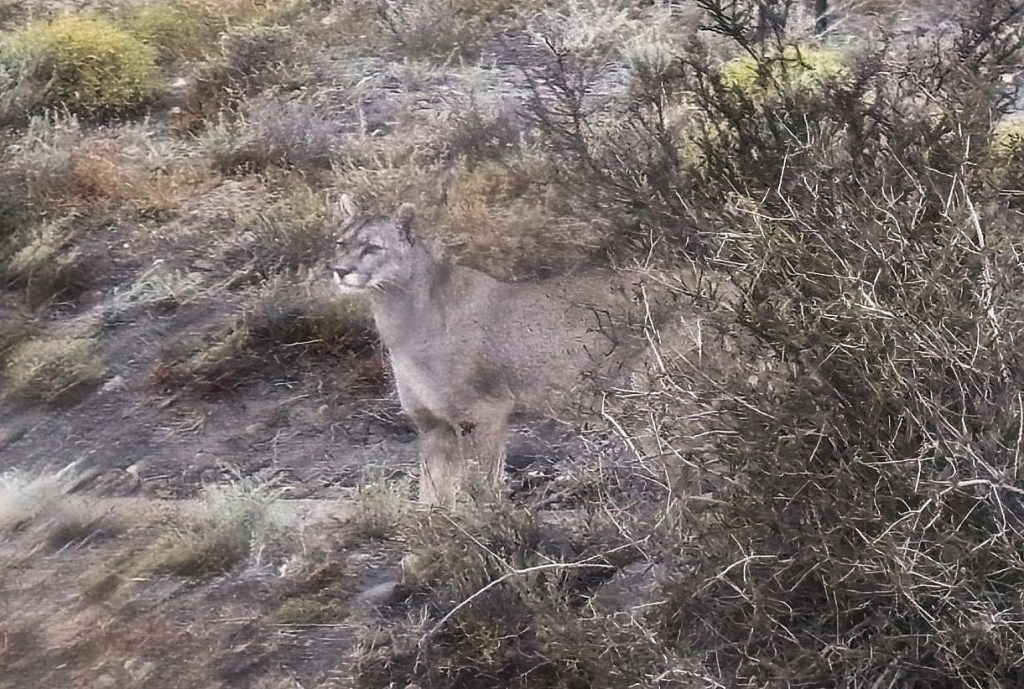
15 October 2025 – Cougar/Puma/Mountain Lion has more common names than any other terrestrial mammal, ranging from the boreal forests of Canada to the open grasslands of Patagonia. They are more closely related to domestic cats and cheetahs than to the lions and tigers of the Panthera genus. An interesting geographical and evolutionary history provides details.
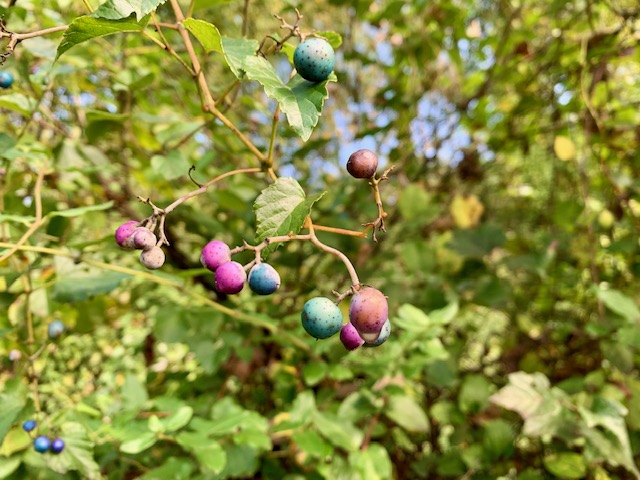
1 September 2025 – Porcelain-berry is the latest in a series of invasives that have overwhelmed native species, taking over acres of field and forest in a monoculture blight. The combination of global trade and human population growth has set the stage for ecological apocalypse. Ironically, it is named for the beauty of its berries that resemble the porcelain of its homeland in China along the Amur River basin. It is also called Amur peppervine. Details in attached.
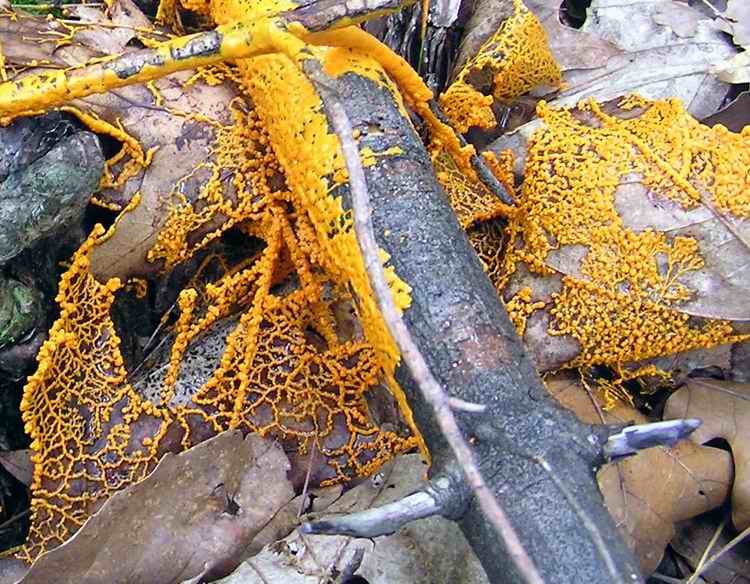
1 August 2025 – Many-headed slime (mold) is a protist and not a fungus as it is generally listed. It has the surprising ability to find the most direct route from its origin to a source of food. Its networking acumen has been demonstrated with the replication of the Tokyo train system, and the United States interstate configuration. There is even a graphic in the attached.
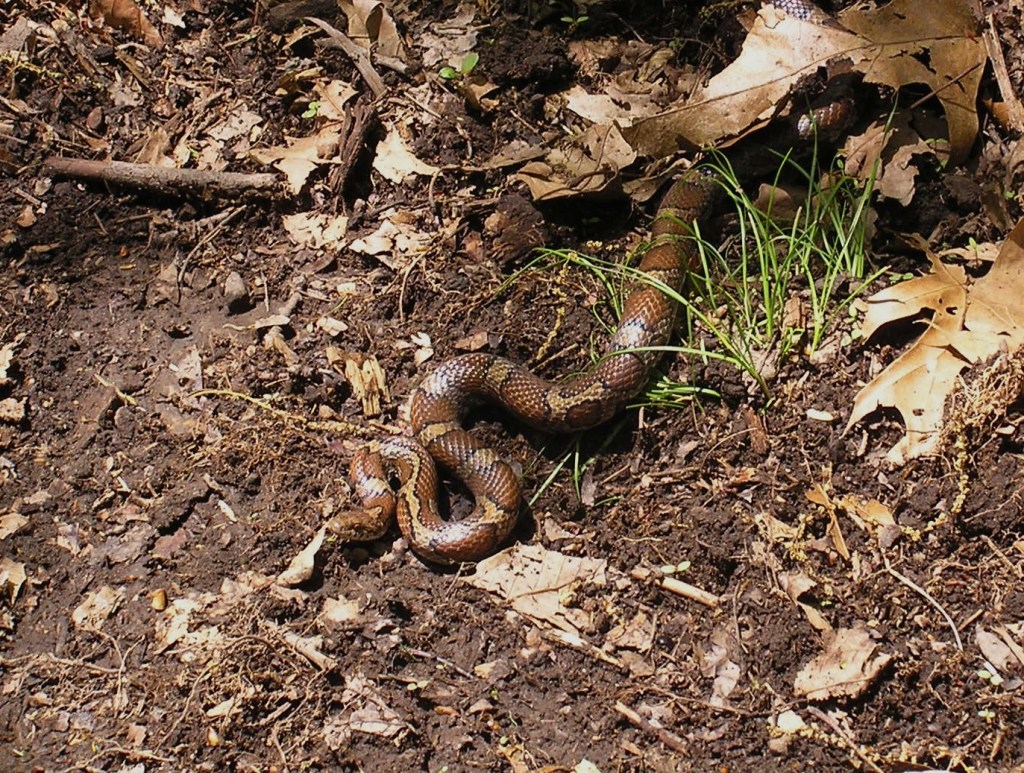
1 July 2025 – Corn Snakes are so named because they are common around corn and other agricultural fields in search of the rodents that congregate there. They are beneficial, like their close relative the black rat snake in reducing animal crop damage. They are also know as Red rat snakes.
1 June 2025 – Mallards are a duck dynasty. Green headed drakes outnumber muted hens leading to an annual quest to find a mate. The resultant sexual behavior of males is extreme. But in the end, hens practice mate choice that is successful 95 percent of the time The full story of mallards and their success as a species is worth a read.

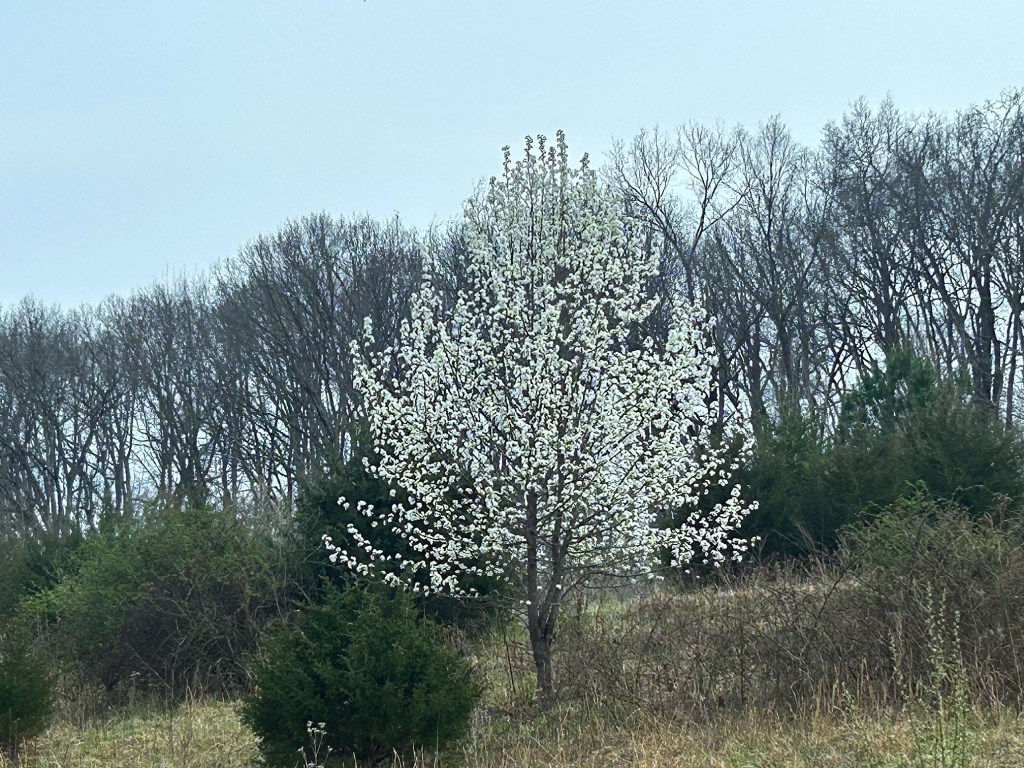
1 May 2025 – As you have by no doubt noted by now, there are a huge number of white flowered trees along many roads in spring. This is the Bradford pear and its cultivar cohorts. The history is interesting, starting with seeds gathered in China to save the pear orchards from a devastating blight and ending with the development of the perfect landscaping tree by the USDA. And then it became invasive.
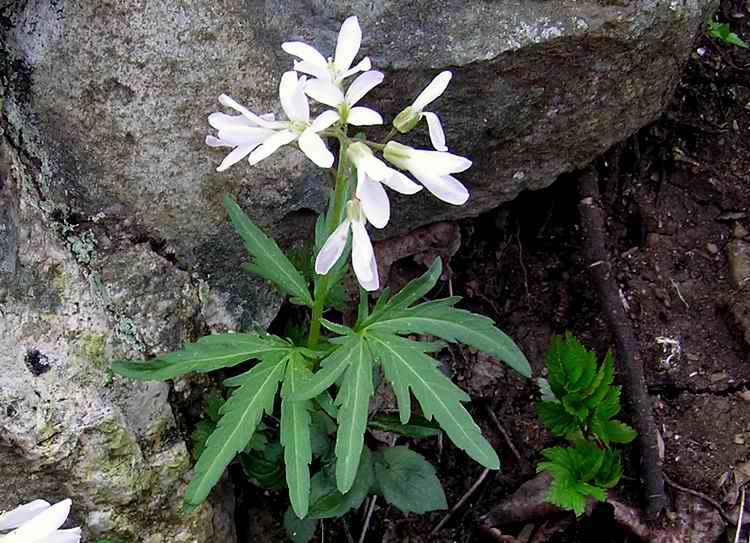
1 April 2025 – In spite of the cold winter, the spring ephemerals have emerged to take advantage of the abundant sun that will soon be blocked by leafy trees and the early pollinators in search of nectar. Among the most prolific is the Cut-leaved Toothwort, which offers an interesting history of the use of plants as medicinal herbs in the article.
1 January 2025 – Winter is the domain of ice. It can be treacherous on trails and roads but its beauty is unsurpassed. One of the more noteworthy ice formations is needle ice. The New Year’s first article addresses not only how and why it forms, but why water is all important not only to weather but to the very nature of life.

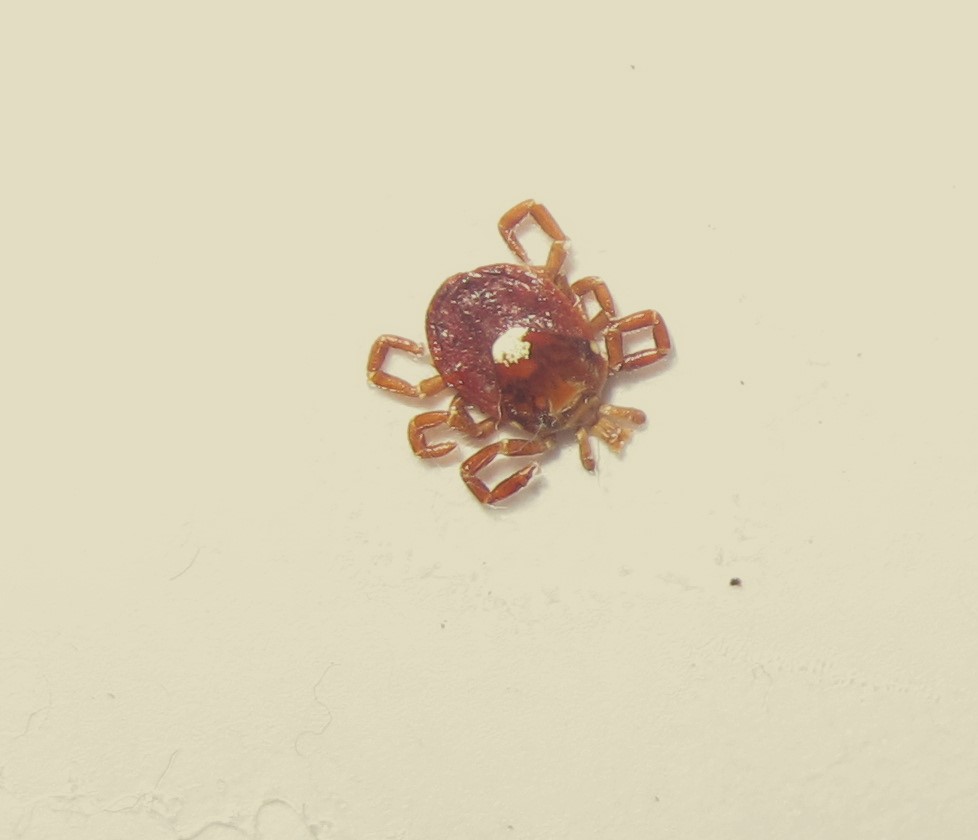
1 October 2024 – The Lone Star Tick has become more well known in the last decade due to its link to the latest food allergy, red meat. It is spreading north and east due to a combination of higher temperatures and burgeoning deer population. It is also responsible for Southern Tick Associated Rash Illness (STARI) and Heartland virus. Probably worth learning more about.
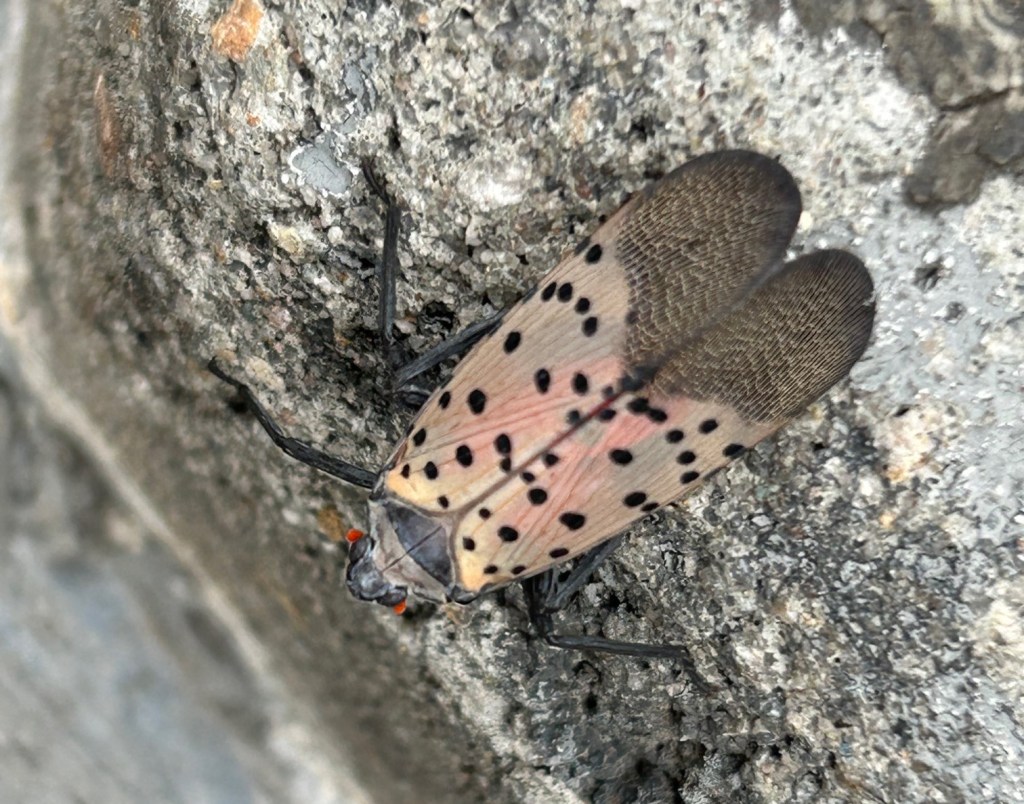
1 June 2024 – The Spotted Lanternfly is the latest invasive species, unique in that it thrives on and is chemically protected by another invasive species, Ailanthus or the tree of heaven. Closely related to aphids and cicadas, the planthopper insect excretes honeydew frass like the former and reproduces like the latter. It is spreading out of control from its initial detection in Pennsylvania in 2014. Read about the latest threat to the ecosystem.
 Hiker's Notebook