Hiking and the Evolution of Homo sapiens

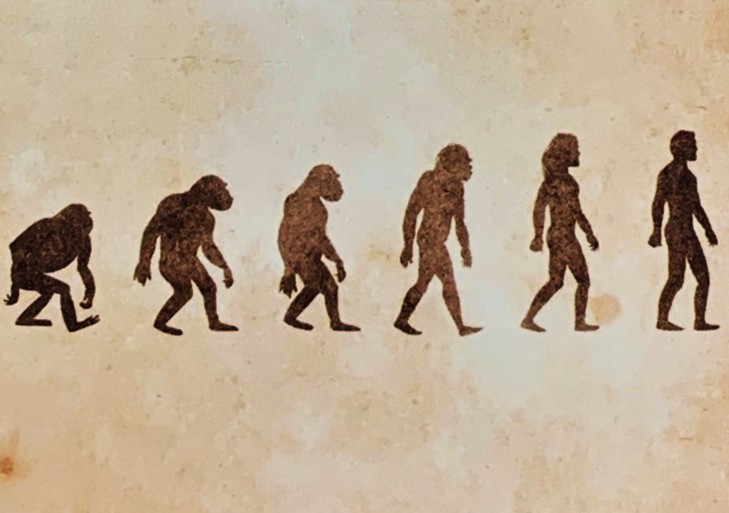
The genus Homo separated from the chimpanzees of the genus Pan about 5 million years ago to become the first and only bipedal ape.

Moving from one place to another on two legs is a matter of some importance to the genus Homo, which separated from the other primates several million years ago as the first and only biped, evolving to Homo erectus. Prior to that, swinging through trees and rambling about on the ground in a knuckle-dragging galumph was de rigueur. We walked before we talked and we talked before we texted. The twentieth century dawned with an uncontrolled experiment that resulted from the industrial revolution of the nineteenth. Earning ones’ daily bread changed from activities of bodily motion and physical work to consumption based on the energy of steam and then oil and gas. We ride where we once walked, and we sit when we once stood. Whether this is sustainable on a global scale with over eight billion people remains to be seen, but there are good reasons to be concerned. On the level of the individual, increasing obesity and the prevalence of chronic metabolic conditions suggest that the experiment with riding and sitting is not going well. Thoreau wrote “I think that I cannot preserve my health and spirits unless I spend four hours a day at least …sauntering through the woods and over the hills and fields, absolutely free from all worldly engagements.” [1] The inner peace that results from a hike in the woods is not coincidence; it is universal and as true now as ever it was.

Walking is a healthful activity, hiking even more so. This has been demonstrated empirically and established according to the scientific principles of the experimental method. It is an activity that is not only innate but deeply gratifying and one that can last a lifetime. It strengthens muscles and joints as a consequence of motions that are entirely natural. While these truths are self-evident, there is more to it than that; Homo sapiens evolved as a bipedal nomad and survived according to fitness. The implication is that the inexorable forces of nature selected the operating system of heart, lungs, arms and legs with all its vascular plumbing and neuron wiring to accomplish the task of moving about on two legs. The last decade has witnessed a renaissance in biology. The understanding of DNA and its role in evolution has established fact where hypothesis once prevailed, profoundly disrupting anthropology formerly based solely on physical characteristics. Neanderthal man (Homo neanderthalensis), once considered our direct ancestor, is now established genetically to be an extinct subspecies with whom modern humans interbred [2]. While there are many twists and turns yet to be discerned in our lineage, it is clear from DNA that humans of the genus Homo separated from chimpanzees of the genus Pan about 5 million years ago (MYA) to become the first and only primate to evolve bipedalism, locomotion on two limbs. While there remains legitimate speculation as to why this occurred, there is no disputation that it did as we exist; cogito ergo sum.

Darwin’s theory of evolution is only a theory in the sense that it cannot be proven by the scientific method of testing with variables and controls. It is not (currently) possible to turn back the clock and conduct experiments in evolutionary forcing factors. The underlying principle of survival is immutable, however, and one can only survive by eating, not being eaten, and reproducing at a rate that increases an extant population; the Darwinian term is “fittest.” What the common ancestor of chimps and humans must have faced was an environment in which an upright posture conveyed survival advantages. Darwin writes in The Descent of Man that “man could not have attained his present dominant position in the world without the use of his hands,” though it is much more likely that this is a result rather than a cause of bipedalism. One might also posit that an upright posture affords a better view, but apes can stand periodically to that same end. Primates had been around for about 30 million years; the profound physical changes of bipedalism must have resulted from factors more fundamental than handiness and height.

Climate is a generic term for the complex forces of wind and water that operate on a scale with global reach, weather is its quotidian result. When combined with the equally perplexing geology of subducting tectonic plates and spreading ocean floors, the task of deducing environmental conditions of the past is daunting. But generalizations are possible; it is relatively clear from the rock record that a series of glacial maxima occurred in the Ice Age or more properly the Pleistocene Epoch that extended from 2.6 MYA to “just recently” – 10,000 years ago. It is equally evident that the earth went through a period of gradual cooling during the Pliocene Epoch that preceded it, coincident with the advent of walking apes. On the African continent, the lush forests of the hotter and wetter Miocene Epoch gradually but inexorably gave way to savannah and the concomitant emergence of grazing herd animals that fed on its grasses. It is of possibly dire consequence that the last time that carbon dioxide levels in the atmosphere exceeded the recently achieved 400 ppm was during this quite warm pre-human epoch [3]. The habitat of the forest ape was diminished with the cooler climate affecting its jungle smorgasbord of nuts and fruits. The savannah beckoned, and the more adventurous and perhaps desperate apes first came down from the trees. The Laetoli bipedal footprints were discovered just south of the Olduvai Gorge in Tanzania by Mary Leakey in 1976. Extensive research has established that they were made by hominids of the species Australopithecus afarensis 3.7 MYA, perhaps relatives of Lucy whose skeletal remains were found nearby in 1974 and named for the Beatles song that played over and over at the field camp on the eve of discovery (in the sky with diamonds) [6]. Man walked early. Why?

With the same energy expenditure, a human on two feet can cover at least twice as much distance in a day as can a chimpanzee using four; bipedalism’s efficiency is a matter of the forces and motions of physics [4]. This seems counterintuitive as four legged animals are much faster – but that is only in the short term; sprinters do not run marathons. It stands to reason (pun intended) that more distance for less energy is a compelling survival enhancing mutation. Over the eons of time during which A. afarensis was sequentially succeeded by Homo habilis, H. erectus and ultimately us, it was this efficiency that stoked the evolutionary engine of adaptation. This is consistent with the ideas of Richard Fortey, a senior paleontologist at the Natural History Museum of London, who writes that “upright legs evolved first and freed the arms; thus liberated, hands learned to manipulate and to maneuver precisely … and only then did brain size became important.” The upright hominids learned to make tools (habilis means handy in Latin) to dig tubers and to stab grazing animals with whom they shared the savannah, using their bipedal stamina to outlast their prey in the struggle for survival. Those with more endurance were more successful and brought home meat to nurture their scions. We most probably evolved as man-apes whose metabolism of the physical state and sensory mechanics of the mental state were gradually adapted to walk on two legs. There is a practical test to this hypothesis – on the African savannah with an aboriginal hunter.

While there are few hunter-gatherers left due to the globalization of culture, the Hadza of northern Tanzania have persevered. Several years ago, a team of anthropologists set out to measure their metabolic rate using a relatively new method with “gold standard” accuracy called doubly-labeled water. Taking advantage of advances in the use of isotopes in medicine, deuterium, or heavy hydrogen and oxygen-18 are used to make “doubly labeled” water; both atoms are traceable. The core principle is that animal energy is generated by the oxidation of hydrocarbons with water and carbon dioxide as products. To determine the caloric expenditure over a set period, a fixed volume of deuterium, oxygen-18 water is consumed and its dilution over time measured by taking sequential urine samples to calculate carbon dioxide production. The anthropologists spent a month with the Hadza taking urine samples as they went about their physically demanding daily activities that consisted primarily of animal hunting by males and plant foraging by females. Expecting huge caloric utilization necessary for the level of activity maintained, the results from the Baylor College of Medicine were tantalizing: Hadza males used about 2500 calories a day and Hadza females used 1900, the same daily caloric requirement as that of their relatively sedentary urban cousins [5].

The implications of this study are profound. How can it be that Hadza live a life of nearly continuous energy expenditure without the requisite calories logically mandated; the logic must be flawed, but in what way? To address the conundrum, follow-up studies were done using isotopic water to measure and validate the caloric expenditures of typical urban populations. The Modeling and Epidemiological Transition Study (METS) had over 300 participants whose activities were monitored using standard fitness tracking accelerometers for a week [7]. Those participants who had minimal movement, the louche couch-potato crowd, used about 200 calories less than those who subscribed to an exercise regimen of some kind – corresponding to about the same 2500 calories used daily by the Hadza. But what was more surprising was that the daily caloric expenditure of those study participants who engaged in rigorous and frequent exercise was the same as those with moderate exercise. This means that, contrary to everything we have thought about exercise and energy, there is a plateau in caloric utilization and that moderate exercise on a periodic basis is sufficient to reach it.

Two evident truths are implicit. The first is that exercise beyond a certain minimum does not burn more calories and that more exercise will not in and of itself result in weight reduction. This means that it is all about calories in, and that the 37 percent (and counting) of American adults who are obese eat too much and not exercise too little. It also means that a person who is fit should be able to travel long distances without continuous food supplements. Those who have participated in endurance events such as marathons or long-distance hikes will no doubt have noticed that they don’t need to consume thousands of extra calories before, during or after; the pre-marathon pasta supper only makes you constipated. However, it is absolutely necessary to train the body to store energy with a program of marathon training in which distance is progressively increased.  But the second evident truth is more compelling – that “calories burned” are independent of energy expended, an oxymoron it would seem (and probably is). There is only speculation as to causation in the scientific community at present; like dark energy and dark latter, “missing calories” are a black hole.

The most logical explanation is that calories burned equate to the energy expended and that the “missing calories” are being diverted from one function to another and are not really missing. The business of running the body’s nervous, cardiovascular, digestive, endocrine, and supporting systems is known as the basal metabolic rate or BMR; it accounts for approximately 70 percent of total daily energy required for an adult male – about 1700 out of 2500. The brain and its nervous network use the lion’s share; about one quarter of everything you eat runs your brain. That this distinguishes us from our primate cousins has been established; humans burn about 500 calories more per day than chimpanzees or gorillas [8]. The immune system is also relatively expensive from a caloric perspective. The remaining 30 percent of available calories must then be the font from which we draw on for the kinetic energy of muscles moving torso, arms and legs, the musculoskeletal system. It is the evolved parsimony of bipedalism that makes this possible. It is also evident that additional energy can be drawn away from other bodily functions within limits to allow for some degree of overreach. For an active healthy adult and Hadza, the result is health in body and mind.

What does all this mean for hiking and health? Herman Pontzer, an anthropologist at Hunter College and one of the Hadza researchers opined that “metabolic adaptation to activity is one of the reasons exercise keeps us healthy, diverting energy away from activities such as inflammation that can have negative consequences if they go on too long.” There are two parts to this observation. The first is that regular exercise is the key to a properly functioning metabolism; that hiking is the exercise that was the survival factor in human evolution and that it is therefore the best way to keep the body in tune over time. The second part is that the energy that is not used by those who do not exercise is diverted into other activities, like inflammation. Taking this a step further, it is reasonable to attribute the spate of modern ailments to too many calories looking for something to do. The industrial revolution was powered using steam from water boiled by burning coal or wood to do work that was formerly done by man, beast, water or wind. Over the last 200 years, Homo sapiens have been conducting an uncontrolled experiment with physiology to see what happens when you promote sitting and riding over standing and walking.

Wild mice offer a window into the prelapsarian world of nature and its prerogatives. That caged laboratory mice are provided with an exercise wheel is not a matter of experimental protocol; rodents are runners; the wheel satisfies their primordial need to move. To test the ‘mice must run’ theory a group of Dutch researchers placed a wheel in an urban park with a surveillance camera. The wheel was in almost continuous use by wild mice sequentially spending up to fifteen minutes in seemingly pointless running in place in the midst of their scurrying to or from their appointed rounds. Nearly defenseless rodents evolved to run for many of the same reasons that humans evolved to walk. Mice need to run to survive and their behavior with an exercise wheel is instinctual [9]. In an ironic twist, mice are used for many of the epidemiology studies as surrogates for humans; the correlation has always been subjective to some degree due to physiological differences. It has been found that laboratory mice that are kept in cages with no exercise become obese, have compromised immune systems and become cancerous before scientists can even start their planned experiments [10].

Does the need to exercise apply to humans? Empirically yes, as has been known for some time. In the middle of the last century, a British researcher named Morris became intrigued by the startling rise in heart-attacks incident to the industrial revolution and hypothesized that they may correlate to lack of exercise. London’s iconic double-decker buses provided the ideal controlled study. Using medical records to compare the relative health of the immobile drivers with the stair climbing conductors, he found that the former had twice the heart attack rate as the latter [11]. While this result was initially met with skepticism in the scientific community, thousands of research studies have confirmed that there is an incontrovertible link between exercise and health and that many chronic diseases are involved. Hiking is the best of exercises and is necessary and sufficient to sustain health.

But we do not know why. A recent and provocative study conducted in by Dr. David James at the University of Sydney in Australia confirms the dearth of knowledge about exercise and health. Four healthy adult men agreed to have muscle biopsies taken before and after ten minutes of very rigorous exercise. An analysis of the protein structure revealed that there were over a thousand changes of which only one tenth could be explained with known physiology. This ground-breaking study offers a glimpse into the complex operation of the human metabolic machine that may ultimately yield the true nature of the cause and effect of exercise. The conclusion reached by James was that “exercise is the most powerful therapy for many human diseases, including type 2 diabetes, cardiovascular disease and neurological disorders.” [12]

Correlation is not causation. While it is demonstrably true that exercise correlates to improved health outcomes, it is premature to assert a causative quid pro quo. However, the facts are compelling. Humans evolved as the first bipedal mammal and survived through attrition of less efficient individuals. For almost all human history, the exercise of living as a hunter gatherer mandated walking, climbing, digging and carrying; the Hadza attest to the healthy result. Even after the advent of agriculture in Mesopotamia and concurrently in China about 10,000 years ago, movement by foot from farm to field and the rigors of reaping sufficed. The sedentary stasis that has become increasingly pervasive over the last one hundred years has occurred in tandem with the rise of many pernicious maladies, both physical and mental. While it is not legitimate to aver unequivocally that sloth begets sickness, it is legitimate to pronounce exercise as a demonstrative boon to health. Among other things, regular exercise has been shown to reduce the incidence of colds, protect against hearing loss, lower the risk of cataracts, improve sleep patterns, lower rates of urinary incontinence, and, yes, improve sexual potency [13]. Hiking is what human nature intended when we first set out across the savannah, and for our own best interests of health and well-being, we must retrogress to the halcyon hiking days of yore. Ambulare ergo sum.

References :

1. Thoreau, Henry David – Excerpted from Walking, sometimes referred to as “The Wild”, a lecture by Henry David Thoreau first delivered at the Concord Lyceum on April 23, 1851. First published as an essay in the Atlantic Monthly after his death in 1862. This compilation of talks provides the essence of the nature to the physical, mental, and spiritual goodwill of mankind.

2. Wade, Nicholas, Before the Dawn, Penguin Group, New York NY, 2006. A general overview of human evolution that provides a snapshot of DNA or molecular anthropology, a field that is changing rapidly with new discoveries and methods.

3. Jansen, E. et al “Paleoclimate”, In: Climate Change 2007: The Physical Science Basis. Contribution of Working Group Ito the 4th Assessment Report of the Intergovernmental Panel on Climate Change (IPCC). An excellent technical summary of a complex history.

4. Fortey, Richard, Life, A Natural History of the First 4 Billion Years of Life on Earth, Random House, New York, NY, 1997 pp 60-62. A very readable summary of the forces and factors that shaped the world we inhabit.

5. University of Arizona. (2007, July 17). “Study Identifies Energy Efficiency as Reason for Evolution of Upright Walking”. ScienceDaily. Retrieved March 1, 2018, from http://www.sciencedaily.com/releases/2007/07/070716191140.htm

6. Pontzer, Herman “Exercise Paradox” Scientific American, February 2017 pp 27-31. This study of nomadic foragers is of seminal importance to understanding the use of calories by humans and the degree to which activity is involved in their expenditure.

7. https://clinicaltrials.gov/ct2/show/NCT02925156  The Modeling and Epidemiological Transition Study is sponsored by Loyola University

8. Pontzer Op cit.

9. Twilley, Nicola, “The Exercise Pill” The New Yorker 6 November 2017 pp. 30-35. A summary of some interesting experiments about exercise, diet and weight loss.

10. Grimm, D. “The Happiness Project” Science 9 February 2018 pp 624 – 630

11. Morris, J.N., Heady, J.A., Raffle, P.A.B., Roberts, C.G., and Parks, J.W., 1953. “Coronary heart disease and physical activity of work”. Lancet 265, pp. 1053-1057

12. James, David E. et al “Global Phosphoproteomic Analysis of Human Skeletal Muscle Reveals a Network of Exercise-Regulated Kinases and AMPK Substances.” Cell Metabolism 22 pp 922-935 3 November 2015.

13. Davis Robert J. “Why Exercise? Six Surprising Health Benefits.” Washington Post 20 June 2017. This article summarizes a number of studies about the benefits of moderate exercise and health benefits from better sex to fewer colds.

Raspberry

Black raspberries turn from red to black when fully ripe

Common Name: Raspberry, Black raspberry (photo above. Note that black raspberries are initially red), Blackcap, Thimbleberry, Framboisier noir (Quebec) – The etymology of raspberry is uncertain. One hypothesis is that it is simply a combination of rasp in the sense of being rough or harsh from French rasper, to scrape together. An alternative origin is from raspis, a sweet red wine popular in Europe in the Middle Ages. Berry is from beri, a Germanic word for grape. The red raspberry is also known as European red raspberry.

Scientific Name: Rubus occidentalis (black raspberry) and Rubus idaeus (red raspberry) –  Rubus is Latin for bramble-bush and, by extension, blackberry. The species occidentalis is from the Latin occidens meaning to go down or set, generally used to refer to the western hemisphere. The Black raspberry is indigenous to eastern North America where it was first classified. The species idaeus refers to Mount Ida in Asia Minor, where red raspberries originated.

Potpourri: The ubiquitous raspberry was indisputably one of the first plants to be recognized as a source of food for many animals, especially the naked apes that eventually evolved to Homo sapiens about 60,000 years ago. The prominently colorful berries, raspberry red in Eurasia where they originated, stood out from the verdant foliage, a distinction unseen by other mammals lacking the red vision of primates. Raspberries were almost certainly spread globally by migrating birds where new species arose as a result of evolutionary diverse habitats. In its current bramble form, raspberries resist consumption of its growing plant parts with conspicuous thorny outgrowths characteristic of its Rose Family taxonomy. Growing in dense thickets from root extensions called rhizomes, brambles like raspberry produce copious quantities of enticing berries to perpetuate its dominance in open, sunny areas. Black raspberries form impenetrable hedges along many trails, offering a succulent snack and an occasional prick to passing hikers.

Raspberries are aggregate fruits with prickles

Raspberries are not berries and they do not have thorns. The fruit is an aggregate, and the sharp-pointed protuberance is a prickle. The use of berry for any small, roundish fruit is as fraught in common parlance as the distinction between fruits and vegetables. A fruit is “a ripened ovary and its contents together with any adjacent parts that may be fused to it.” Fruits are the seed carriers of propagation. Grains like barley, vegetables like peas, and nuts like acorns are fruits. A fruit “in which the entire ovary ripens into a fleshy, often juicy and edible” is the botanist’s berry, inclusive of tomatoes, eggplant, red peppers, and watermelons. A drupe is different, having a layered ovary that gives rise to a central stone or pit that encloses the seed, like plums and peaches. Raspberries arise from flowers with multiple pistils (central organ of a flower), each producing a small drupe, sometimes called a drupelet. The multiple small fruits cling together, separating as a single unit that is called an aggregate. Rasp-aggregate would be a more correct name, but hardly useful.  Spines, thorns, and prickles are all sharp-pointed outgrowths from a plant surface that evolved to repel herbivores. Spines like those on barberries originated from leaves. Thorns like those on Osage orange arose from branches. Prickles like those on raspberries are the real stickers, emerging directly from stem tissues. [1]

Raspberries are classified as members of Rosaceae, the family of roses in the genus Rubus, known colloquially as brambles. With about 3,000 species, the rose family is not that large compared to the 20,000 species of the orchid family and 19,000 species of the composite family, inclusive of asters, daisies, and sunflowers. [2] However, the rose family is arguably the most renowned of all plant families from the human perspective. Its prominent floral and fruit products that proliferate the temperate zones of primary habitation are without equal in the kingdom Plantae. In addition to the many cultivars of roses that dominate the floral trade, they are the sine qua non for spectacles like the annual Pasadena parade and namesake bowl game and Kentucky’s running of the roses in the first of the three horseracing crowns. English wars have been named for them. The red rose Lancasters and white rose Yorks have nothing to do with the Lannisters and Starks even though they were both involved in throne games of a sort.  However, the fruits of the rose family that dominate at the supermarket are its most enduring legacy. Life would be lessened absent apples, pears, cherries, plums, and the various bramble berries. The success of the rose family is a result of the evolution of a number of traits that promote reproduction and dispersion. Having a diversity of fruits with the color, shape, and taste that appeal to birds and mammals results in spreading seeds far and wide in a dollop of fertilizer. More important, however, is asexual reproduction called apomixis by which rose plants can spread without pollinators. This is especially true of the brambles like raspberry that extend by horizonal, leafless stem structures called rhizomes. [3]

Rose family fruits in general and raspberries in particular have spread far and wide, part of Darwin’s “endless forms most beautiful and most wonderful” due to hybridization that results from a combination of seed dispersion and asexual apomixis. Apples abound in variety and raspberries are not far behind. There were already 41 varieties of raspberry in the United States in 1866. [4] Both apples and raspberries tend toward polyploidy, having multiples of the basic number of chromosomes, which can result in the reestablishment of sexuality to create new hybrids. This is further complicated with raspberries, that can have one of three different basic chromosome numbers (7, 8, or 9) to start with. This means that from their inception in Asia Minor, raspberries have spread across the globe in many hybrid forms, drawing the attention of the hominids doing the same thing. That they were well known by the time of the Roman Empire is well established. Pliny the Elder (aka Gaius Plinius Secundus), the noted Roman military leader and naturalist author, wrote in his magnum opus Naturalis Historia that the raspberry was “known to the Greeks as the Idæan bramble, from the place where it grows.”  Mount Ida is in Northwestern Turkey near the site of Troy, providing the species name idaeus of red raspberry. It was even then regarded as a medicinal plant, for Pliny notes that: “Its flower, mixed with honey, is employed as an ointment for sore eyes and erysipelas, and an infusion of it in water is used for diseases of the stomach.” [5] As raspberry seeds have been found at Roman forts on the British Isles, it is considered likely that the Romans spread the raspberry from its Asian origins throughout their vast empire into Europe and Africa. [6]

Raspberries have served as a wellspring for both nutritious food and medicinal remedy for the millennial span of western civilization. They found their way into the various herbal collections that appeared in Europe in the late 16th century. John Gerard, calling it the Raspis, Hinde-berry, or Framboise (French), notes that “the floures (sic), the leaves, and the unripe fruit, being chewed, stay all manner of bleedings. They heal the eies (sic) that hang out.” The ripe fruit is described as sweet, and “not unpleasant to be eaten,” [7] As the modern era erupted from the rediscovery of Greco-Roman writings in the Renaissance, the expansion of raspberries as one of the first fruits followed. By the 17th century, white and red cultivar raspberries were recognized in Great Britain that differed only in the color and taste of the fruit, the “white raspis a little more pleasant than the red.” Red wines were available at the “vintners made from the berries of Raspis that grow in colder countries.” The medicinal uses had also expanded, extending to the use of leaves “in gargles and other decoctions that are cooling and drying, but not fully to that effect” whatever that means. A syrup made from the berries “is effectual to cool a hot stomach, helping to refresh and quicken up those that are overcome with faintness.” And of course the berries were eaten “to please the taste of the sick as well as the sound.” [8] As the consumer era took off in the middle of the last century, the raspberry became a mass market food and one of the myriad herbal remedies to assuage modern melancholia.  

 Raspberries are nutritious, contributing to a healthy diet. They are one of the highest sources of dietary fiber (6.5 grams fiber per 100 grams wright) relative to the energy provided (100 kilocalories per 12.5 grams). In addition, they are high in vitamins C and K and in the minerals calcium, magnesium, potassium, and iron. Raspberries also contain a unique set of phytochemicals, secondary substances not involved in plant metabolism, that are likely the basis for the many historic folk medicinal uses. Anthocyanins, which are what make berries (and fall leaves) red, are noted for their antioxidant and anti-inflammatory activity, deactivating the free radicals (ionic forms) that tend to disrupt cellular activity. In vivo animal studies have found that consuming raspberries resulted in “reduced blood pressure, improved lipid profiles, decreased atherosclerotic development, improved vascular function, stabilization of uncontrolled diabetic symptoms (e.g., glycemia), and improved functional recovery in brain injury models”. [9] It may be concluded that the use of raspberries in the treatment of a variety of ailments has at least some rational basis due to actual chemical interactions operating above and beyond the placebo effect.

Native American herbal remedies provide one of the best examples of genuine folk medicine unadulterated by marketing hucksterism. The Iroquois Confederacy of the northeast had many uses for raspberry leaves and roots, including treating bloody diarrhea, as an emetic, to remove bile, to treat children with whooping cough, and, perhaps with some hyperbole, as a  “decoction taken by a hunter and his wife to prevent her from fooling around.”  Raspberries were also important as food, especially in winter when dried fruits were combined with hominy. Further south, Cherokee also used raspberry plants for digestive problems and as food but in the form of pies and jellies suitable for the milder climate. On the more practical side, the prickly stems were used for scratching itchy hard to reach places. In addition, it was used for coughs, boils, and, most significantly to current usage,  to treat postpartum pain. [10] Current usage as an herbal remedy follows those of Native American usage, with an emphasis on pregnancy issues.

The most prevalent use of raspberry over the last century has been during the last trimester of pregnancy to “relax the uterine muscles and facilitate birth.” [11] However, in Germany this is proscribed “because of lack of scientific support of claimed activities as a uterine tonic.” [12] The widespread use of raspberry leaves in herbal preparations for pregnancies has resulted in some serious scientific assessment. Approximately 50 percent of all pregnant women use some form of herbal treatments during pregnancy and the use of raspberry extracts as tea, tablets, or tincture ranges from 7 to 56 percent depending on the country. The claim made by the herbal industry is a “positive effect on childbirth through the induction of uterine contractions, acceleration of the cervical ripening, and shortening of childbirth.” No studies clearly demonstrate that products derived from raspberries have a clear effect on the biochemical pathways of pregnancy. A recent review concludes that “the consumption of raspberry extracts could translate into decreased dynamics, or even the inhibition of the cervical ripening process, which could undoubtedly translate into a more tumultuous and traumatic childbirth course.” It is increasingly clear in the medical community that the best way to stay healthy is to eat a balanced diet, exercise regularly, and avoid stress. Hiking along trails in the quiet of the forest and eating raspberries is a good place to start.

References:

1. Wilson, C. and Looms, W. Botany, 4th Edition, Holt, Rinehart and Winston, New York, 1967, pp 30-31, 285-304.

2. Niering, W. and Olmstead, N. National Audubon Society Field Guide to North American Wildflowers. Alfred A. Knopf, New York, 1998, p.354, 646, 746.

3. Cowan, R. “Rosales” Encyclopedia Britannica Macropedia, William and Helen Benton, Publishers, Chicago, 1972 Volume 15, pp 1150-1154.

4. Stuart, M. ed The Encyclopedia of Herbs and Herbalism, MacDonald and Company Publishers, London, 1987, p 255.

5. Pliny the Elder,  The Natural History – John Bostock, M.D., F.R.S. H.T. Riley, Esq., B.A. London. Taylor and Francis, Red Lion Court, Fleet Street. 1855. Book 16 Chapter 71 – https://www.perseus.tufts.edu/hopper/text?doc=Perseus:text:1999.02.0137:book=16:chapter=71&highlight=raspberry    

6. Burton-Freeman, B. et al “Red Raspberries and Their Bioactive Polyphenols: Cardiometabolic and Neuronal Health Links” Advanced Nutrition, Volume 7, Number 1 January 2016 https://www.ncbi.nlm.nih.gov/pmc/articles/PMC4717884/

7. Gerard, J. Herball – Or, Generall Historie of Plantes, John Norton, London, 1597. Pp 260-261

8. Parkinson, J. Paradisi in Sole, Paradisus Terrestris  1629. Reprinted by Methuen &Company, London, 1904, p 557 -558  https://www.gutenberg.org/files/69425/69425-h/69425-h.htm#Page_557 

9. Burton-Freeman et al, op. cit.

10. Native American Ethnobotany Data Base. http://naeb.brit.org/  

11, Polunin, M. and Robbins, C. The Natural Pharmacy, Collier Books, New York, 1992, p 122.

12. Foster, S. and Duke, J. Medicinal Plants and Herbs, Petterson Field Guide Series, Houghton Mifflin Company, New York, 2000, pp 264-265

13. Socha, M. et al “Raspberry Leaves and Extracts-Molecular Mechanism of Action and Its Effectiveness on Human Cervical Ripening and the Induction of Labor” Nutrients, Volume 15 Number 14, 19 July 2023. https://www.ncbi.nlm.nih.gov/pmc/articles/PMC10383074/

Lone Star Tick

Common Name: Lone Star tick, Turkey tick– The prominent single white spot that marks the center of the carapace of females gave rise to the “lone star” metaphor. Although the tick is found in Texas, there is no evidence that it got its name from the state.

Scientific Name: Amblyomma americanumAmbly is a combining form directly from Greek that means blunt or obtuse. Omma is similarly derived meaning eye.  The genus was originally named by Carolinus Linnaeas in 1758 with the lone star tick as its type species. It is probable that “blunt eye” was due to the presence of the white dot. The species name is from its origination in the North America.

Potpourri: Up until about ten years ago, the lone star tick was dismissed as an interesting but esoteric member of Ixodidae, the tick family. It is not even included in popular field guides. [1] It was overshadowed by the black-legged tick, a cynosure due to the prevalence of Lyme Disease as a human pathogen. The wood tick, almost identical to the lone star tick lacking only the white dot, is much more common in the mid-Atlantic region. That all changed when people reported having a severe allergic reaction after eating red meat. This inexplicable and widespread medical issue that often led to hospital emergency rooms drove a quest for causation. Epidemiological research that spanned a decade eventually correlated times and locations of the severe and tellingly delayed anaphylactic shock of the red meat allergy to having been bitten by the lone star tick. Its spread eastward and northward over time has led to continued study and research as a public health issue.  

The lone star story (not the one about the Alamo) started as an attempt to find the root cause of a disturbing sequence of unusual and serious medical anomalies. This is not unlike most complex interactions between human health and nature exemplified by the English physician John Snow, who traced the cause of cholera to the contaminated Broad Street water pump in London in 1854 and true also for Lyme Disease. The first recorded correlation between lone star ticks and allergic reactions due to the consumption of mammalian meat occurred in Athens, Georgia in 1989. Dr. Antony Deutsch and Mrs. Sandra Latimer noted that there had been ten cases in which delayed anaphylaxis and/or hives occurred in patients who consumed red meat and who also been bitten by ticks some months before.  Blood tests revealed that all of those affected had elevated blood levels of Immunoglobin E (IgE), a naturally occurring antibody that is an integral part of the immune system of all mammals that had supposedly been stimulated by something contained in red meat. Although reported to the Centers for Disease Control (CDC) in 1991, there was no follow-up. [2]

Fifteen years later, a University of Virginia allergy researcher named Thomas Platts-Mills was trying to understand why some cancer patients had experienced severe allergic reactions when given the drug cetuximab. The key to the puzzle was a chemical named with the tongue twisting lexicon of organic chemistry galactose-alpha-1,3-galactose. This is a type of sugar in red meat (including pork, “the other white meat”) which was also one of the ingredients found in the cancer drug cetuximab. While the nickname alpha-gal seems to have been an innocuous shorthand version of the longer name, it does offer some speculation about its origination. The similarity to the sexist archetype alpha-male of boardroom and bedroom notoriety can hardly be ignored. That it is a component of red meat, the consummate breakfast of champions borders on sardonic, alpha-gal for alpha-male.  The final piece of the puzzle was geographic. Those cancer patients who experienced anaphylaxis when given cetuximab were from the so-called tick belt of the southeastern states, some with “massive tick bites on their ankles.” Dr. Platts-Mills confirmed his hypothesis a year later when he went on a hiking trip in the Appalachian Mountains near UVA in 2007. He returned to discover his ankles covered with lone star larva and a self-administered blood test confirmed high IgE levels. After a lamb dinner several months later, he awoke in the middle of the night covered with hives. [3]

In the succeeding fifteen years that brings us to the present, the correlation between lone star tick bites and red meat allergy has been accepted beyond correlation to causation. A report issued by the Centers for Disease Control in 2023 found that there were 110,000 confirmed cases of what has come to be known as the alpha-gal syndrome (Electra complex was ruled out) in the United States between 2010 and 2022. The number was based on data from laboratory testing incident to patients seeking medical care for life-threatening respiratory distress. The CDC concluded that underreporting of the condition was likely and that there were approximately four cases for every one reported and analyzed. With an estimated 450,000 cases during the twelve-year period of evaluation, tick-red meat allergy is in the top ten of food allergies in the United States. The reasons for the dearth of reported cases are uncertainty of symptoms and lack of awareness. The anaphylactic reaction usually occurs two to six hours after a meaty meal and months after a tick bite and can vary in severity across populations. A survey of 1500 clinicians revealed that almost half had never heard of the condition, precluding a diagnosis altogether. That lone star ticks are spreading north, and east is reflected in the data. The two states with the highest reported red meat allergy cases were Virginia and New York, where Suffolk County, the eastern two thirds of Long Island, accounted for four percent of all cases nationwide. [4]

While much has been learned about the lone star tick to date, research continues. The first order of business is to determine the ultimate source of the chemical that induces the IgE autoimmune spike. There are three hypotheses. The first is that the IgE stimulant is contained in the lone-star tick’s saliva, which, like all ticks, is a complex chemical mix that contains anticoagulants to ensure blood flow from the host, anesthetics to dull the host’s senses so as to avoid detection, and immunosuppressive agents to blunt host rejection. The second is that mammal blood from a previous meal contained the IgE antigens, a not unreasonable hypothesis given its provenance. The third is that the lone star tick is a vector to transfer the inflicting agent from one host to another, similar to the transmission of Borrelia burgdorferi that causes Lyme Disease from the white footed mouse to humans by the black-legged tick. Based on the results of the investigations, some form of antidote could presumably be devised. At present there is no cure beyond avoiding future tick bites and hoping that the autoimmune response will abate over time. [5] However, the anxiety for a potential midnight ambulance ride to the emergency room after having hamburger helper for dinner causes most victims to avoid meat altogether, which is not necessarily a bad thing when health and the environment are taken into account. But for those who cannot imagine a life without pork chops and bacon, a company in Blacksburg, Virginia has developed an FDA approved genetically engineered pig that lacks the alpha-gal gene, called (what else?) Galsafe. While ostensibly to produce organs for use in humans that might otherwise be rejected, the company offers Galsafe meat to alpha-gal patients. [6]

A second line of research seeks to understand the cause or causes of the tick diaspora over the last several decades The spread of the lone-star tick outside its historical range is not unique, but a pattern now typical for most if not all ticks. One possibility would be the movement of the winter freeze line northward due to the now perceptible higher temperatures which opens new habitats for invertebrates like insects and ticks, the bark beetle’s devastation of western pine forests a case in point. However, ticks don’t fly, have miniscule legs, and can only crawl a short distance during their brief lives. The commonly accepted reason for the spread of ticks is the burgeoning numbers of white-tailed deer across the eastern half of North America, long a matter of public concern due to environmental damage and deadly vehicular collisions―and now lone star tick vectors to boot. Deer feeding habits take them through ideal tick habitats where they stand and graze placidly while the ticks gleefully jump on board for a meal. Deer provide ticks geographic mobility.  The lone star tick is also commonly found on wild turkeys. So much so that in the Midwestern states, they are called turkey ticks (just as the black-legged tick is called bear tick in northern states). [7] The upshot of more ticks is more tick-borne diseases, now more common and with more variety. Two additional diseases associated with the lone-star tick have become a matter of public health concern (over and above red meat allergy) over the last ten years.

Southern tick-associated rash illness (STARI) emerged from the fog of tick-borne disease data only gradually. Metabolic measurements of the blood from individuals with both Lyme Disease and with STARI revealed different biosignatures, confirming an alternative etiology. [8] The CDC recognizes STARI as a new disease but considers it to be of unknown origin, noting only that it is correlated with individuals bitten by lone-star ticks. The symptoms are the red circular rash, generally described as “bull’s eye” identical in appearance to that of the black-legged tick when Lyme Disease is contracted. [9] To complicate matters, a spirochete similar to that causing Lyme Disease, tentatively named Borrelia lonestari, has been found in at least one patient but does not seem to be routinely present in other victims; the search continues.

A second emerging disease attributed to lone star tick bites is Heartland virus, named for the Heartland Regional Medical Center in St. Joseph, Missouri, where the first two patients were treated in 2009. When seven additional cases including two fatalities occurred several years later, the quest for the source of the virus began in earnest. In 2013, 50,000 ticks were collected in Missouri and surrounding states and tested for Heartland virus. Only the lone-star ticks were found to have the virus. In parallel, between 2009 and 2014, blood samples from 1428 animals including white-tailed deer, raccoons, moose, and coyotes were analyzed to reveal that 103 tested positive. The tentative theory is that the lone star tick nymph has a blood meal on an infected animal, most likely deer, and then transmits it to a human as an adult. [10] And that is not all, the lone star tick has also been identified in the transmission of many of the known tick-borne diseases including ehrlichiosis, rickettsiosis, tularemia and protozoan infections. The spread of tick-borne diseases is a concern for anyone who spends time outdoors in grassy areas―like hikers.

A working knowledge of cradle to grave tick behavior helps establish actions needed to minimize the chances of getting bitten and contracting a tick-borne disease. Each lone-star tick hatches as a six-legged larva, one of about 5.000 eggs laid by a gravid female in a location chosen for likely success (females have been tracked moving over half a meter to find a suitable, moist location). The first of three blood meals is necessary to proceed to the eight-legged nymph stage (ticks are arachnids akin to spiders). The second blood meal provides the energy and nutrients to molt to an adult. Both larval and nymph stage ticks can survive up to six months without eating.  A last supper for both males to produce spermatophores and for females to produce eggs and pheromones to attract a mate completes the life cycle with oviposition. While larvae and nymphs parasitize birds and small mammals, adults literally quest for larger prey like deer and humans. [11] The evolution of ticks to survive on three mammal blood meals for the entirety of their short lives is one of the wonders of the natural world. Only three sensory capabilities exist to achieve this end. Photosensitivity draws the tick upward on a blade of grass until it is at or near the apex. Once in position, the tick extends its front legs to attach to a passing animal in a stance appropriately called questing. Ticks, the epitome of persistence, can remain ready at the quest for up to three years. A second sensitivity is butyric acid, an exudation of all mammals, necessary to consummate the quest on a suitable host. A third sensitivity is surface warmth, triggering proboscis insertion to initiate feeding. It doesn’t matter what is on the other side of the warm surface. A tick will suck from a balloon filled with warm water. [12]

So how can you protect yourself from tickborne disease? Three methods have been prescribed. The first line of defense is to use tick repellent like DEET. An acaracide (Acarina is the order for ticks and mites in the Class Arachnida) like permethrin that kills them is preferable. However, nothing is absolute, and ticks are insidious, penetrating the shield at an untreated spot inevitably missed during application.  The second line of defense is habitat removal, getting rid of the grasses that promote knee high access for successful attachment. Mowing may work around a farm, but it cannot be practical in open woods with passing trails. While it is good practice to hike in the middle of a trail where grass is beaten flat, a trip to the bushes will at some point be required. The third method is host removal. There have been studies that focus on the number of deer necessary to reduce tick populations which conclude that it would only work with near annihilation, neither feasible nor desirable. The one guaranteed method of preventing tick borne diseases is vigilance. A complete whole-body inspection down to bare flesh must be conducted after every hike in potential tick habitats between March and November, active tick season, If a tick is found and removed within 24 hours, the chances of protracting a disease are negligible. This is because it takes that long for the tick to drill the hole to reach blood and then to inject the chemical saliva that keeps the well open and flowing. The injected saliva carries disease pathogens. There will still likely be a maddingly itchy red spot to deal with, but topical creams and patience will suffice in remediation. However, an ambulance ride after a steak dinner can be averted.

References:

1. Milne, L. and Milne, M. National Audubon Society Field Guide to North American Insects and Spiders, Alfred A. Knopf, New York, 1980, pp. 423-430

2. Steinke, J. et al. “The alpha gal story: Lessons learned from connecting the dots”. The Journal of Allergy and Clinical Immunology. March 2015. Volume 135 Number 3, pp 589–597.

3. Beck, M. “Ticks that spread Red-Meat Allergy” The Wall Street Journal, 11 June 2013

4. Sun, L. “Tick-linked meat allergy may not be so rare, researchers say,” Washington Post, 28 July 2023. (The meat need not be rare either)

5. Steinke, op .cit.

6. Lewis, T. “Red Meat Allergy Caused by Tick Bite Is Spreading—And Nearly Half of Doctors Don’t Know about It” Scientific American, 7 August 2023.

7. University of Florida Entomology and Nematology Department https://entnemdept.ufl.edu/creatures/urban/medical/lone_star_tick.htm    

8. Molins, C. et al “Metabolic differentiation of early Lyme disease from southern tick–associated rash illness (STARI)” Science. 16 August 2017, Volume 9 Issue 403

9. https://www.cdc.gov/lyme/about/about-southern-tick-associated-rash-illness.html       

10. Enserink, M.” The Heartland virus may occur across eastern U. S.” Science 18 September 2015

11. University of Florida, op cit.

12. Wilson, N. “Acarina” Encyclopedia Brittanica, Macropedia Volume 1 pp 19-23 and Volume 2 p 805, William and Helen Benton Publishers, University of Chicago, Chicago Illinois, 1972.