Many-Headed Slime

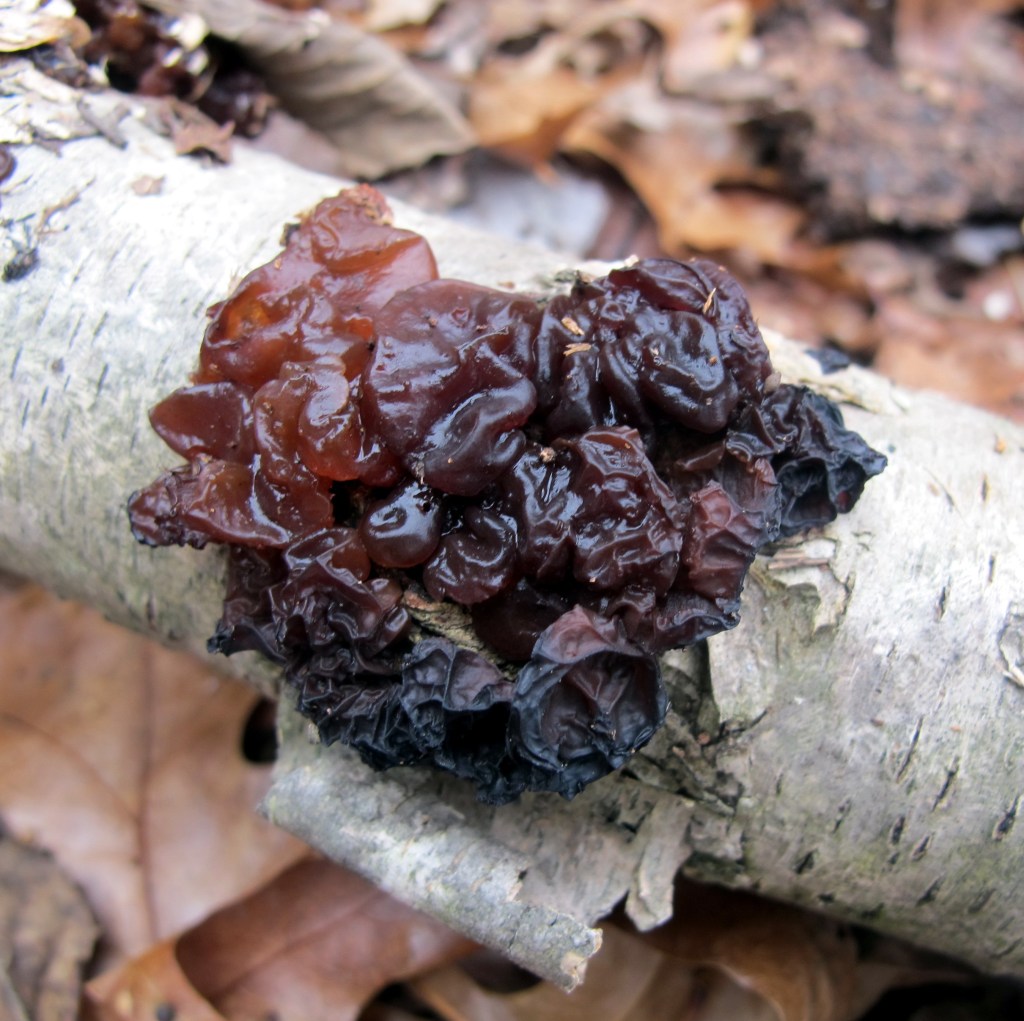
Many-headed slime in search of food, mostly bacteria

Common Name: Many-headed slime, Grape cluster slime, Slime mold – The many branches that radiate outward from the site of initial growth form clusters at food sources consumed as sustenance. The overall appearance is one of many small nodes that are metaphorically compared to heads.

Scientific Name: Physarum polycephalum – The genus name is from the Greek physarion, meaning small bellows, which may refer to the characteristic pulsating growth which appears to surge as if wind-driven. The species name from Greek poly meaning many and kephalikos (Latin cephalicus) meaning head.[1] The translation literally means many-headed.

Potpourri: Slime molds were saddled with one of the most pejorative names in biology. The Animal Kingdom’s most despicable attribute of slime is sometimes applied to humans as the penultimate insult. The Fungi Kingdom’s worst form is mold, destroyer of agricultural crops and promoter of human respiratory disease. Even so, slime mold is an apt name in describing an unusual form of life. Slime molds bridge the gap between animals and fungi in transitioning from a mold-like spore that then germanites into an amoeba-like animalcule that moves like Lewis Carrol’s “slithy toves”.  The onerous task of organizing living things into a comprehensible structure has been a work in progress for centuries. With DNA replacing appearance as its organizing principle, phylogenetics has upended the historical hierarchical taxonomy of Carolinas Linnaeus. This transition is just beginning. Placing slime mold into its proper niche in the web of living things on the TBD list. For now, it is classified as a protist.

Numerous attempts have been made by intellectually curious, sapient humans to impose order on the entangled complexity of their surroundings. Schemes based on geographical locale, patterns of fruits and seeds, and gross morphology were all found to be impractical for field application. Linnaeus had the insightful idea of using sex as the organizational principal for plants, forming 26 categories based on the numbers and arrangement of the (all important) male stamens. Calling them vegetable letters he correlated stamen arrangements to the alphabet as a mnemonic. Praeludia Sponsaliorum Plantarum (Prelude to the Betrothal of Plants) was published in 1730, which garnered international interest that was both supportive and dismissive. Linnaeus forged ahead, and, based on the premise that “Minerals grow; Plants grow and live; Animals grow, live, and have feeling” settled on three kingdoms as his foundation. [2] The inclusion of inanimate rocks as an integral part of the tree of life is testimony to the ignorance of the times.

On December 13, 1735, the first edition of Linnaeus’s Systema Naturae (System of Nature) went on sale in Leyden, Netherlands with a section on the Mineral Kingdom and the Animal Kingdom to supplement the extant alphabetic Plant Kingdom. Minerals were dived into three categories named Petrae for simple stones, Minerae for simple stone mixtures, and Fossilia for aggregate rocky particles (that may or may not have an impression of an animal or plant); the system never made it into the work of Charles Lyell, who correctly classified sedimentary, metamorphic and igneous as the three types of rocks. [3] The Animal Kingdom was to have far reaching impact on the future of biology. Linnaeus devised the canonical format Kingdom, Class, Order, Genus, and Species to establish the first enduring method to catalogue living things into what became known as taxonomy.  He identified six classes of animals with 549 species: Quadrupeds (which included the Order Anthropomorpha and thus two-legged humans); Birds; Amphibians; Fish; Insects; and a final class as catchall named Vermes that included everything from reptiles to squid. A seventh group was tacked on at the end named Paradoxa for those animals that were missing from the rankings, as the semi-animal slime mold would have been.

Some twenty kilometers south of Leyden lay Delft, the home of Antonie van Leeuwenhoek, the unlikely father of microbiology.  As the owner of a fabric shop, the need for an improved method of magnification to inspect thread quality essential to the drapery business led him to the field of lens grinding, at which he excelled. In fabricating the first practical microscope, he was able to penetrate the heretofore unseen and unknown domain of the minuscule. An investigation of pond water yielded the presence of moving objects which he (correctly) interpreted to be animalcules. Over the course of the next century, as Leeuwenhoek’s hypothesis gained credence, the idea that these ubiquitous simple organisms must represent the origins of life gave rise to the term Protozoa, literally “fist life”. In the modern era, biology has yielded its operating system in the form of DNA coding for protein synthesis. Fungi were added to the kingdom count in the late 20th century (long after rocks had been expelled) but there were still outliers. This gave rise to Kingdom Protista, implying the same notion of first-ness for those living things that were neither animals, nor plants, nor fungi.  In addition to the slime molds, protists are inclusive of the animal/plant Euglenoids which are mobile photosynthesis factories, and brown algae aquatic Chrysophytes like kelp. [4]

It is tempting to think of slime mold as an evolutionary alternative that was successful enough to survive but not sufficient for mutation and expansion to higher levels of organization. Slime molds have been referred to as Dr. Jeckel and Mr. Hyde due to similar extremes of form and behavior that a single individual might manifest. [5] The slime mold life cycle starts with a wind-blown spore that germinates under appropriate environmental conditions of temperature, water, and nutrients. Slime mold spores form one of two structures: a blob called a myxamoeba that can divide making multiple copies; or a body called a swarm cell that has a flagellum at one end for locomotion. The sexual union of two compatible myxamoebas or two compatible swarm cells yields a fertilized egg cell or zygote. Individual zygotes fuse into a multi-nucleus structure called a plasmodium that surges back and forth in search of food, the mysterious surging mass occasionally seen on woodland jaunts. When the food runs out or if conditions otherwise deteriorate, fruiting bodies are erected and new spores are ejected to comprise the next generation.[6] Thus, a slime mold can be considered as fungus, plant, or animal according to what stage is considered central. Like the ancient parable of the blind men and the elephant, which is like a snake if one first encounters the trunk but like a spear if one encounters the tusk, slime molds are different things to different people.

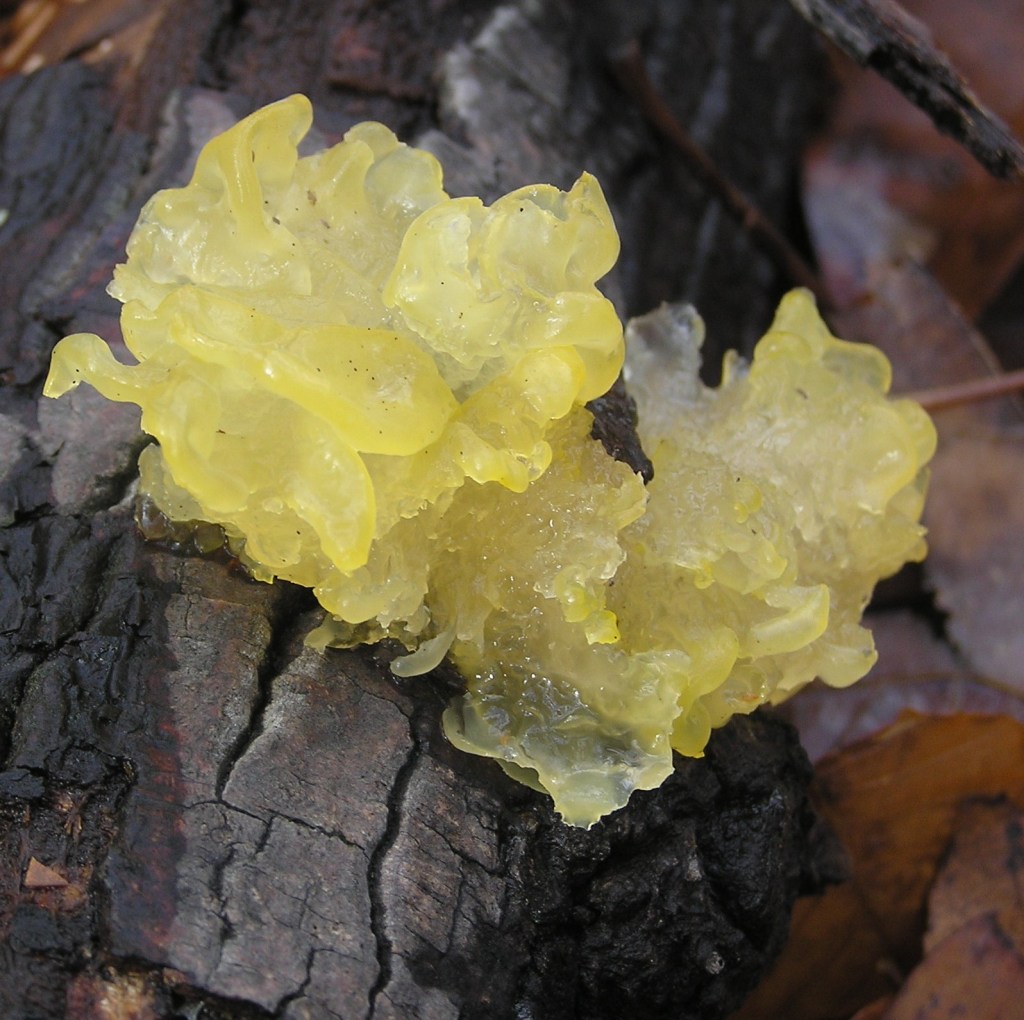
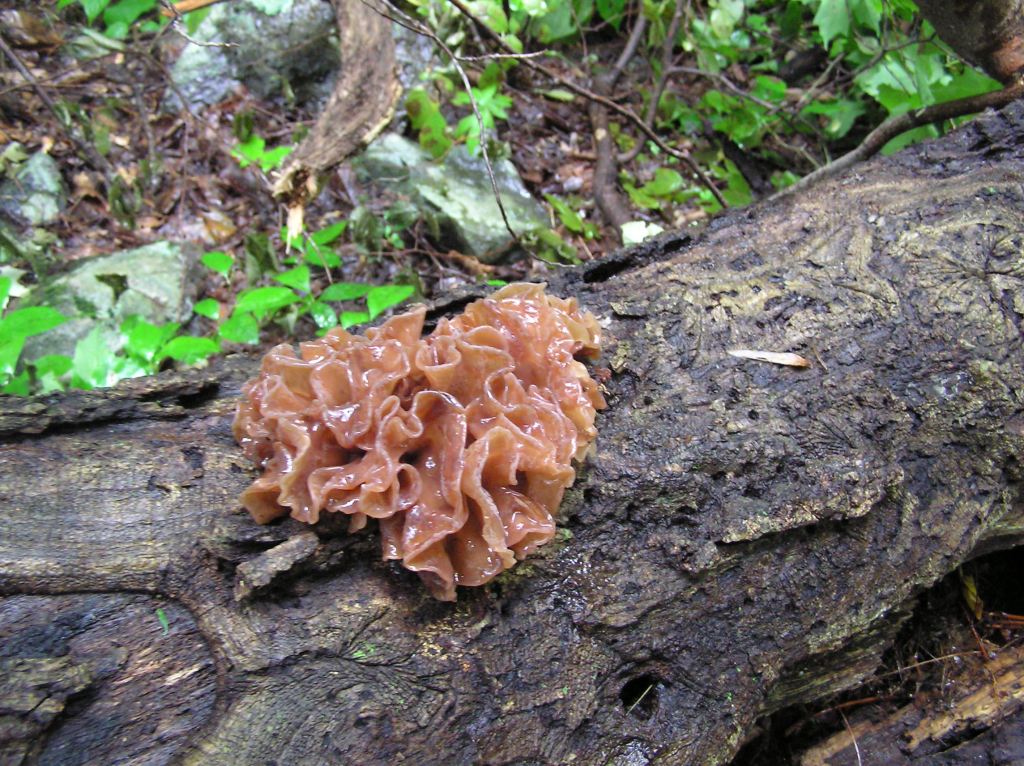
Scrambled egg slime, aptly named.

Slime molds have traditionally been categorized as myxomycetes from the Greek myxa meaning nasal slime and mykes meaning fungus, a name first applied in 1654. For the next 300 years, fungi were part of the Kingdom Plantae in the Phylum Thallophyta, a collective for primitive plants which also included lichens and algae. Even with sequestration of fungi as the separate kingdom Eumycota, slime molds were considered an integral member. Only recently were they relegated to Kingdom Protista. There are currently about 1,000 species of slime mold taxonomically categorized in 5 orders, 14 families, and 62 genera. [7] Fuligo septica is the best. known of the slime molds. Commonly called either scrambled egg or dog vomit slime (according to age and color) it often grows on garden mulch and can get quite large; a world record F. septica was recorded in Texas in 2016 that was 30 inches long and 22 inches wide. [8] Physarum polycephalum has recently gained the reputation as the slime mold of science due to its demonstrated ability to make what seem to be intelligent choices about the location of food sources and the best way to access them. This is of some interest to developing a better understanding the evolution of cooperation among individual organisms, such as that of social insects like ants and bees.

A scientific experiment conducted at Japan’s Hokkaido University in 2000 found that P. polycephalum was capable of determining the shortest path through a maze that connected two caches of oat flakes, a slime mold favorite.[9] The award of an Ig Nobel prize recognizing this unusual and thought-provoking experiment garnered international slime mold stardom.  Ten years later, researchers followed up on the maze trial with a map simulating Tokyo and its many train terminals marked by oat flakes. The objective was to determine if many-headed slime could find the best network route between them. The result, after only 26 hours of probing growth, was nearly identical to the extant Tokyo rail system, which presumably was the most efficient in practice and took decades to build. [10] The notion that slime molds could apparently make intelligent decisions led inevitably to media hype before settling down to the scientific underpinnings in recent years.

Slime mold replicating the train system of Tokyo (Reference 10)

 The New York Times proclaimed the wisdom of slime in 2012, noting that it behaved as though it were “extremely intelligent” in creating networks that optimized the transport of nutrients. To promote interest for an American audience, a map of the United States was created with oat flakes marking 20 urban centers with slime mold propagating outward from the simulated location of New York City. The resultant connections nearly replicated the interstate highway system in four separate trials. [11] Broadcast media followed up this somewhat scientific finding with a report that slime mold could “solve problems even though it doesn’t have a brain” and had 720 sexes instead of only the boring two. [12] (Since slime molds don’t have bathrooms or sports teams, their social issues should be manageable). Research on the mechanisms employed by slime molds to locate and exploit food along the most favorable paths continues. The physical process is thought to be similar to the movement of fluids in the intestines, known as peristalsis, with slime mold tubes containing cytoplasmic fluid that surges and retracts in reaction to food quantity and quality. [13] From the perspective of a neurologist, the selection process is called emergence and is similar to the scouting methods used by ants to locate the best nesting site and bees to locate the best food source. In the case of slime molds, tubes are sent in all directions as “scouts” and retracting the unsuccessful paths to flow fully in the food direction. [14] An experiment to evaluate slime mold food preferences is not unlikely.

References:

1. Webster’s Third New International Dictionary of the English Language Unabridged, G. & C. Merriam Company, Philippines, 1971.

2. Roberts, J. Every Living Thing, Random House, New York 2024, pp 45-95.

3. Cazeau, C, Hatcher, R. and Siemankowski, F. Physical Geology, Principles, Processes and Problems, Harper and Row New York 1976, pp 6-11.

4. Starr. C. and Taggart, R. Biology, Wadsworth Publishing Company, Belmont, California, 1989, pp 62, 600-609.

5.Lincoff, G. The Audubon Field Guide to North American Mushrooms, Alfred A. Knopf, New York, 1981, pp 843-854.     

6. Kendrick, B. The Fifth Kingdom, Focus Publishing, Newburyport, Massachusetts, 2000. P 10.

7. Keller, H. Everhart, S. and Kilgore, C.  “The Myxomycetes: Nature’s Quick-Chage Artists” American Scientist, Volume 112, September-October 2024 pp 352-359.

8. Keller, H, “World Record Myxomycete Fuligo septica Fruiting Body (Aethalium)” Fungi Volume 9 Number 2, September 2016 pp 6-11.

9. Nakagaki, T. et al. “Intelligence: Maze-solving by an amoeboid organism”. Nature. 28 September 2000 Volume 407 Number 6803 page 470.

10. Wogan T. “Ride the Slime Mold Express” Science 21 January 2010.

11. Adamatzky, A and Ilachinski, A, “The Wisdom of Slime” New York Times, 12 May 2012.

12. Zaugg J. “The ‘blob’: Paris zoo unveils unusual organism which can heal itself and has 720 sexes”. CNN. 17 October 2019.

13. Alim, K et al. “Random network peristalsis in Physarum polycephalum organizes fluid flows across an individual”. Proceedings of the National Academy of Science USA. 29 July 2013 Volume 110 Number 33. pp 13306–11.

14. Sapolsky, R. Determined, A Science of Life without Free Will, Penguin Press, New York, 2023, pp 154-166.

Deer Truffle

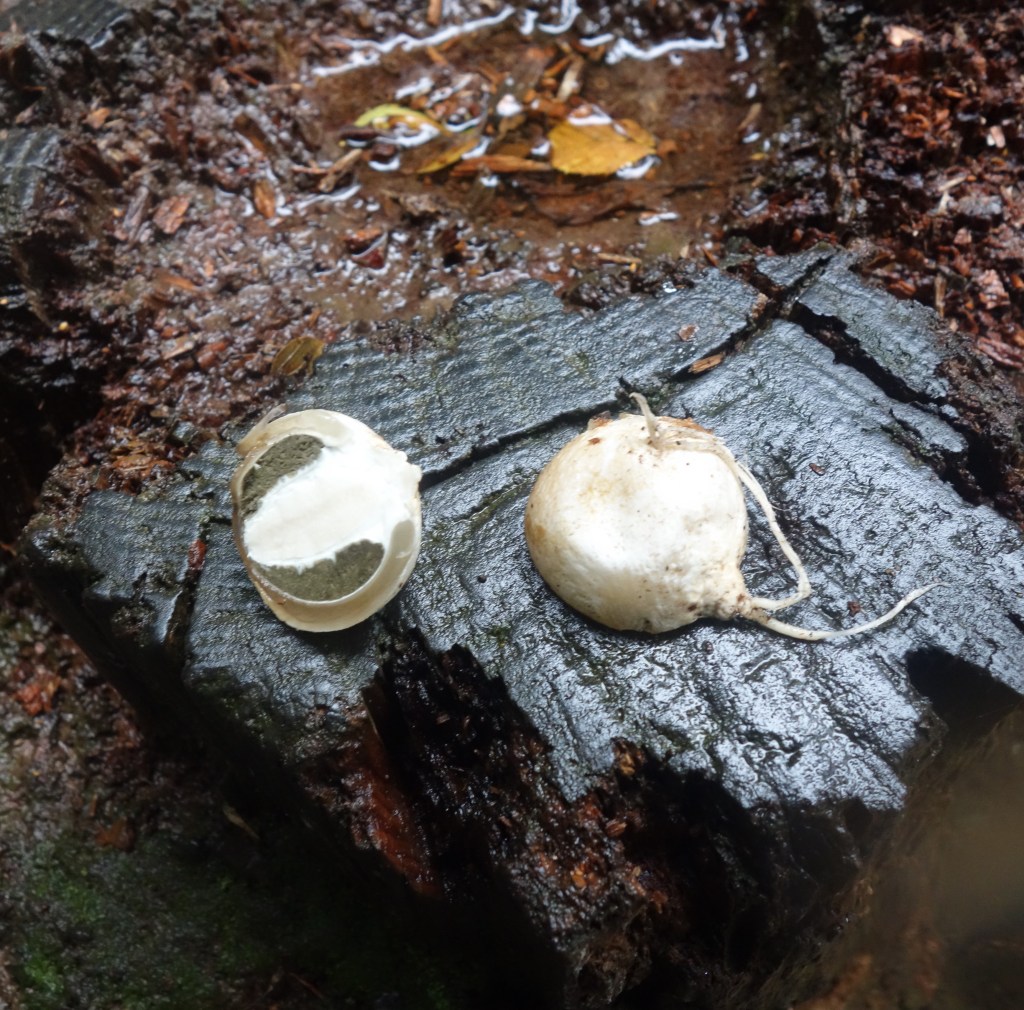
Deer truffles look like small clods of dirt; sectioning reveals spores. Note acorns for size.

Common Name: Deer Truffle, Deer balls, Hart’s balls, Warty deer truffle, Fungus cervinus (cervus is Latin for deer), Lycoperdon nuts (Lycoperdon is a genus of puffball fungi) –  Truffle is a French variant of the Latin word tuber meaning lump or knob. Both truffles and tubers (like potatoes) are generally globular in shape. The association with deer is attributed to finding them in locations frequented by stags during mating season. This gave rise to the belief that truffles are aphrodisiacs.

Scientific Name: Elaphomyces granulata – The generic name is a literal translation of Greek,  deer (elaphos) fungus (mykes). The Latin granulum is used directly in English as granule, referring here to the protuberances on an otherwise smooth surface. A loose translation of the scientific name would be “warty deer fungus,” one of the common names.

Potpourri: The deer truffle genus Elaphomyces is one of the most important mycorrhizal genera in temperate and subarctic forests, establishing and maintaining the ecosystem balance between plants and fungi. They are also an important source of food for small mammals like mice and voles on every continent except Antarctica. Deer truffles are equally favored by their namesake, notably the red, roe, and fallow deer species of Europe. Of the 49 species of deer truffle so far recognized worldwide, 20 are European. E. granulatus is one of the  most important North American species. A related species, E. muricatus, has been used in Mexico, both as “a stimulant, for remaining young and treating serious wounds” and “in shamanic practices in association with psychoactive Psilocybe species.” [1] Limited research in the 21st century has revealed that E. granulatus has enzymes that are known to reduce inflammation in addition to a variety of anti-oxidants with potential medicinal applications for humans.

Deer truffes are among the most common of underground fungi globally, and equally one of the least documented. The lack of scientific research on deer truffles is due partly to their sub rosa, subterranean obscurity and ignorance about their ecological importance. Even when uncovered, they look like lumpy balls of dirt. However, unlike the more famous black and white truffles of Europe, they are neither redolent with beguiling aromas nor palatable. Taste testers report that the main body is like “thick cream that tastes like nothing,” a rind that is “rubbery but can be chewed quickly,” and “a taste that goes in the direction of earthy forest floor.” They are, nonetheless, relished by rodents. [2]

Truffle is defined as “any of an order (Tuberales) of fleshy, edible, potato-shaped ascomycetous fungi that grow underground.” However, truffle is broadly applied to any hypogenous (below ground) fungus that is shaped like a tuber, which is the thickened part of an underground plant stem like those of the yam, cassava, and potato. According to historical etymology, any roundish shaped globule dug out of the ground was a tuber and/or truffle. [3] The distinction between plant and fungi kingdoms was not established until the 20th century so it would have made no difference whether the earthen globule was a plant tuber or a fungal truffle. The lumpiness meaning is inherent in chocolate truffle, a confection shaped like a truffle having no fungal ingredients. The terms edible and ascomycetous in the definition require some elucidation.

Edible does not necessarily mean by humans, but merely that it is or can be eaten for nutrition by an animal. Being edible is also a matter of importance, as fungal truffles reproduce by spores that must be transported for propagation. Above ground or epigenous fungi/mushrooms accomplish this with airborne wind dispersion, a mechanism not available to truffles buried several centimeters deep. Truffles must usually be consumed by an animal to transport the spores to new fertile ground and must thus be at least palatable. The need to attract animals is key to the inimitable smell and taste of certain species of truffles. It is probable that some truffles are unearthed and broken open without being eaten to release spores, so consumption is not absolutely mandatory although certainly the norm. Insects and worms that tend to feed on fungi may also play a role. Edible is a broad term in this context.

The term ascomycetous is a bit more complicated. The vast majority of fungi typically called mushrooms are in the subkingdom Dikarya which means “two nuclei” in Greek. Dikaryotic cells replicate with cell division of one nucleus from one “parent” and one from the other as they grow so that each new cell has two nuclei until the creation of reproductive spores through meiosis to pass the combined DNA to future generations. The way in which spores are produced divides Dikarya into two phyla, Basidiomycota and Ascomycota. Basidiomycetes produce four spores at the end of a club-shaped structure called a basidium. Most of the fungi that look like a mushroom with a cap or pileus at the top of a stem or stipe in addition to the various bracket fungi, puffballs, and stinkhorns fall into this category. Ascomycetes produce eight spores inside a sac-like structure called an ascus, Greek for wineskin or bladder. The asci are typically arrayed on a concave surface giving rise to the more common name “cup fungi” for ascomycetes. Most fungi, including yeasts, rusts, smuts, lichens, and, notably, truffles are ascomycetes. [4]  False truffles are basidiomycetes that look like truffles―ball-shaped structures that grow below ground.

Both truffles and false truffles followed different ancestral trajectories to become nearly identical in size, shape, and disposition due to similar environmental factors, a process called convergent evolution. Richard Dawkins offers that this is because “however many ways there may be of being alive, it is certain that there are vastly more ways of being dead.” Organisms tend to come up with similar ways to survive in the unforgiving environments of nature. Life above ground can be dangerous due to predatory and environmental challenges making it  advantageous to seek refuge in the soil. Many animals also do this. It is hypothesized that truffles evolved from cup fungi and false truffles evolved from mushrooms like agarics and boletes as a matter of random mutation resulting in improved survival. However, it could equally be the other way around, i.e. fungi may have originally been underground ”truffles” and evolved mushroom stems and gills for spore wind dispersion. DNA sequencing of the world-renowned Périgord black truffle corroborated the estimate that Pezizomycetes, the largest group of Ascomycota that includes truffles, separated from other fungal lineages 450 million years ago, just as the first plants advanced onto land from the sea. [5]

Deer truffles from Germany. Note root-like attachment to the mycelium.

Most fungi start as a root-like structure called a hypha emanating from one spore joining up with another hypha from another spore to  form a mycelium, the tangled mass of hyphae that defines the fungus. Since no species can survive without reproducing at some point, the mycelium must somehow send spores somewhere to start anew. Just as plants have devised ingenious ways to spread seeds, so have fungi to spread spores. Mushrooms start as underground bodies called primordia that are formed by the mycelium. They erupt upward on a stem into open air when the time is right to expose the spore bearing gill or pore surface to transporting winds. In the case of truffles and false truffles, the spores are contained in the tuber-like body that is attached to and grows from the mycelium but remains underground. The evolutionary pathway for the truffles and false truffles was to attract animals with enticing smells, not all that different from plants producing flowers with complex chemical scents to attract pollinators. Note that it is important for truffle smell signaling to start only when the spores are fully mature and ready to transport. Animals drawn by the smell to eat them transport truffle spores unwittingly wherever and whenever they “go.” [6]

Animals attracted to truffles and false truffles are globally diverse, inclusive of  deer, bears, and rabbits in the Northern Hemisphere and armadillos, baboons, and wallabies in the Southern Hemisphere. [7]  Underground fungi offer a food source that is relatively independent of surface conditions making them especially important to cohabitating animals. While most if not all forest dwelling mammals consume truffles on occasion, it is the burrowing squirrels and voles that are best equipped to use them as a major food source. With a keen sense of smell and claws to dig up buried acorns, there can be no doubt that squirrels are truffle aficionados. One well studied example is the California red-backed vole of the Pacific Northwest which subsists almost entirely on truffles. A study in the Oregon Coast Range involving vole capture and evisceration found that truffles made up 85 percent of consumed food, the balance was mostly lichens, also predominantly fungal. The northern flying squirrel, with a range from Alaska to North Carolina, is a nationwide spreader of truffle spores. [8] The extent of the role that truffles play in forest ecology as both providers of key soil nutrients like phosphorous and nitrogen to trees and as food for foragers is not well studied and therefore mostly unknown. This relationship is called mycorrhizal (meaning fungus root in Greek) and was first discovered by a biologist named Albert Frank in 1885 while employed by the King of Prussia to attempt to cultivate truffles. [9] Since there is no above ground evidence and animals need to be literally caught in the act, data are mostly anecdotal. However, one can gather some insight of the range, diversity, and importance of truffles from the aptly named “desert truffles.”

A desert is a dry, barren place incapable of supporting almost any plant or animal life. And yet, truffles thrive across North Africa and the Middle East all the way to China. Eking out a tenuous existence with shrubby plants with which they are mycorrhizal, they are surprisingly ubiquitous. They are sold in many local markets and consumed as an important food source over a vast region, noted for having a taste characterized as “delicate, not pungent.” They are reportedly relatively easy to find as they grow close to the surface and make the ground harder, a property that can be discerned with experience by rubbing a bare toe over the area. [10]  As Mesopotamia was the cradle of western civilization, the long history of truffles as both food and medicine there is telling. Truffles have historically been a substitute for meat throughout the Arabian peninsula. Truffles (kama’ah in Arabic) appear in the Koran as preventive medicine, used as promoters of longevity and good health much as many other fungi are in Asia. This a measure of their reputed anti-oxidant, anti-inflammatory, and immune modulating activity. 11] The cultural importance and extensive range of desert truffles across a broad swath of Eurasia is a strong indicator that they are key components of the plant-fungi global ecological partnership. While truffles are surely common and keystone in many regions, almost  all of what is known and studied about the nature and nurture  of truffles derives almost in entirety from detailed study of a few species that are among those granted the rubric “true truffles.”

True truffles are the epitome of European gastronomy. The black truffle of the Périgord region in southern France (Tuber melanosporum) is surpassed only by the white truffle of the Piedmont region of northern Italy (Tuber magnatum) in desirability and exorbitant cost. The reason for the difference is supply and demand, the universal economic law. White truffles are rarer because, unlike their cultivated French cousins, they grow only under naturally appropriate conditions and require specialized skills to locate. Consequently, in local Italian trattoria, one can purchase risotto with black truffles for about 20 euros, but risotto with white truffles will run over five times as much. [12] The reason for truffle demand is the redolence they impart to food, beguiling gourmands in their search for epicurean nirvana. It is telling that truffles were originally hunted with domesticated female pigs attracted by their aroma which includes the steroid alpha-androstenol, also found in the saliva (and breath) of rutting boars. The same chemical is found in the underarm emanations of men and in the urine of women, and, while the sexual role of the steroid in human sexuality has not been proven, it has been demonstrated. Men rating photographs of (clothed) women for sexual attractiveness gave higher marks when smelling alpha-androstenol.  [13] In that smell is intertwined with taste according to the neural-networked brain, the irresistible allure of  truffles to humans probably has deeper meaning and possibly including subliminal sexual arousal. It is no wonder that they are considered to be aphrodisiacs. Perhaps at least mentally they are.

It is almost certain that boars that have roamed wild across Europe for millennia were the coevolutionary partners of white and black truffles, spreading their spores far and wide. It is probable that humans first became aware of truffles in association with hunting wild boars. Thus began the long partnership between domesticated pigs and people in the pursuit of pleasure. Dogs have mostly replaced pigs as the truffle hunter’s sensory companion. Heavy, sedentary pigs required carting to truffle forest habitats and had to be forcibly prevented from eating their quarry; many a truffle hunter lost a finger to an overzealous pig. Dogs are not sexually attracted to truffles and must therefore receive olfactory training, much like drug-sniffing dogs of the DEA. This takes a great deal of time and effort, which must of necessity include the use of valuable, short-lived truffles. Trained truffle dogs are dear, commanding prices of over 15,000 euros but rarely sold. They can transit and search woodlands with ease and are not overwhelmed by lust for consumption. In fact, most truffle dogs don’t even like them, though apparently some do. Dogs have different taste preferences, as do their best friends. But not pigs, apparently. [14] The wild boar fungus story has a recently discovered twist. Of 48 boars killed in hunts in Bavaria, Germany, 88 percent had radioactive cesium levels (from Chernobyl) exceeding safety standards. It is considered likely that eating fungi that tend to bioaccumulate heavy metals were the source, especially truffles. [15]

References:

1. Paz, A. et al . “The genus Elaphomyces (Ascomycota, Eurotiales): a ribosomal DNA-based phylogeny and revised systematics of European ‘deer truffles'”. Persoonia. 30 June 2017. Volume 38 Number 1 pp 197–239.

2. “Deer Truffles – biology, ecology, distribution and occurrence of Elaphomyces or False truffle” https://www.umweltanalysen.com/en/elaphomyces-deer-truffles/  

3. Neufeldt. V. ed Webster’s New World Dictionary of American English, Third College Edition, Simon and Schuster, New York, 1988, p 1435, 1438.

4. Lincoff, G. National Audubon Society Field Guide to North American Mushrooms, Alfred A. Knopf, New York, 1981, pp 323, 377.

5. Martin, F. et al “Périgord black truffle genome uncovers evolutionary origins and mechanisms of symbiosis” Nature, 28 March 2010, Volume 464 pp 1033-1038.  https://www.nature.com/articles/nature08867 

6. Arora, D. Mushrooms Demystified, Second Edition, Ten Speed Press, Berkeley, California, 1986 pp 739-741, 841-865.

7. Trappe J. and Claridge A.” The Hidden Life of Truffles” Scientific American April 2010.

8. Stephenson, S. The Kingdom Fungi, Timber Press, Portland, Oregon, 2010 pp 200-205.

9. Frank, A.B. “Über die auf Wurzelsymbiose beruhende Ernährung gewisser Bäume durch unterirdische Pilze” [On the nourishing, via root symbiosis, of certain trees by underground fungi]. Berichte der Deutschen Botanischen Gesellschaft. 1885 Volume 3: pp 128–145.

10. Schaechter. E. In the Company of Mushrooms, Harvard University Press, Cambridge, Massachusetts, 1997, pp 161-167.

11. Khalifa, S. et al “Truffles: From Islamic culture to chemistry, pharmacology, and food trends in recent times”  Trends in Science and Food Technology, Volume 91, September 2019, pp 193-218. https://www.sciencedirect.com/science/article/abs/pii/S0924224418303406 

12. Goldhor, S. “Hunting the White Truffle” Fungi. Volume 8 Number 3, Fall 2015, pp 18-23.

13. Kendrick, B. The Fifth Kingdom, Third Edition, Focus Publishing, Newburyport, Massachusetts, 2000 pp 281-283.

14. Campbell, D. “Sketches from the Italian Truffle Hunt.” Fungi, Volume 11 Number 1, Spring 2018, pp 20-25.

15. Rains, M. “Germany’s radioactive boars are a bristly reminder of nuclear fallout” Science, 30 August 2023.

Destroying Angel – Amanita bisporigera

The key features of the Destroying Angel are the cup-like volva at the base of the stem, the stark whiteness of the stem, cap, and gills, and the partial veil hanging from the top of the stem just below the gills under the cap.

Common Name: Destroying Angel, Fool’s Mushroom, Death Angel, White Death Cap – The virginal whiteness of all parts of the mushroom are aptly described as angelic – beautiful, good, and innocent. The fact that it is anything but is conveyed by the addition of destroying with death-dealing toxicity.

Scientific Name: Amanita bisporigera – The generic name is taken directly from the Greek word amanitai, probably from the Amanus Mountains of southern Turkey where the noted Greek physician Galen may first have been identified the archetype, Amanita. [1] The specific name indicates that there are only two spores on each of its basidia in contrast to the four spores of other basidiomycete fungi. Virtually indistinguishable from Amanita virosa and Amanita verna which both frequently appear as synonyms in mushroom field guides.

Potpourri:  The destroying angel is a toadstool nonpareil. While the origin of the term toadstool is obscure, it cannot be a coincidence that tode stuhl means death chair in German, the language of the Saxons who emigrated to England. Its notoriety is not only because it is one of several mushrooms that contain deadly poisons called amatoxins, but also due to its close resemblance to Agaricus campestris, the edible field mushroom which is the cousin of the cultivated white button mushroom of supermarkets and salad bars. Both are white, similar in size and shape, and grow in the same habitat, primarily grass under or near trees. The destroying angel is the most dangerous of the numerous doppelgänger mushrooms as the deadly twin of a well-known and often consumed edible.  Misidentification absent knowledge of the subtle physical differences between the two can result in discovering the profound physiological differences with sometimes deadly result. The field white mushroom is nourishing. The angelic white mushroom is Shiva.

The cup at the bottom of the stem is the volva, the bottom half of the universal veil.

The key features that distinguish the destroying angel from similar mushrooms are straightforward if you know what to look for. First and foremost is the volva, (Latin for a covering like a husk or shell) which is the cuplike structure at the base of and surrounding the stem or stipe. The volva is frequently hypogeal, i. e. underground and out of sight. This means that it can only be positively identified by digging up the soil around the base of the mushroom. [2] However, it is the standard and preferred practice among mushroom gatherers to use a knife to cut through the stem cleanly at the base. This is done so the mycelium of the fungus from which the fruiting body mushroom grows is not seriously disturbed. The procedure is analogous to gathering apples from an apple tree. The fungal mycelium and the apple tree survive to produce new mushroom spores and fruit seeds for future generations. Using the standard harvesting technique, it is easy to see how the below the cut volva would not be noted.  White mushrooms must be dug out to the roots to avoid the dilemma of the death mushroom.

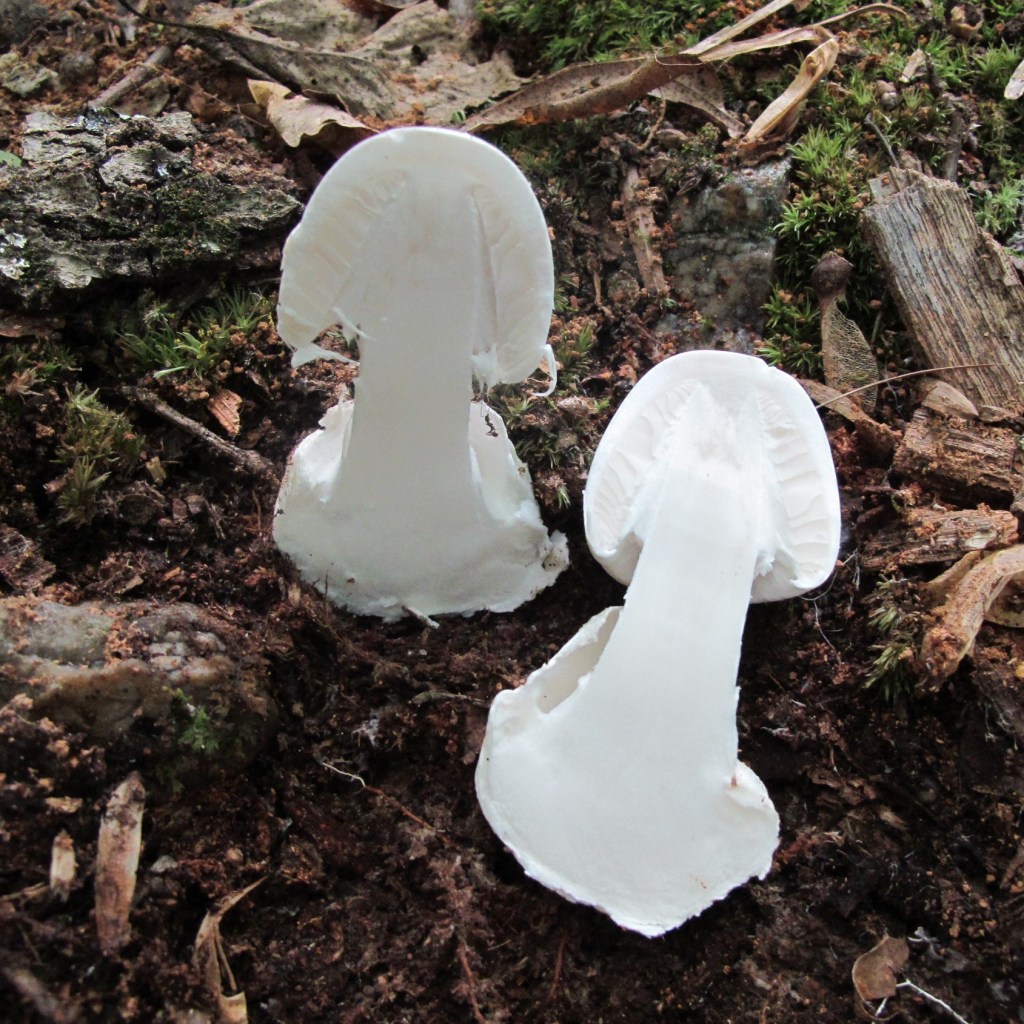
The only way to be certain that you have a puffball and not a Destroying Angel is to cut it in half.

The volva is the bottom part of what is known as a universal veil, a thin membrane that envelops the mushroom during the subterranean growth phase to protect the gills and the spores they hold from damage. The universal veil is a characteristic of all mushrooms in the Amanita Family. While there are a few other mushrooms that have a universal veil and its volva (such as the genus Volvariella named for this characteristic feature), it is a reliable identification feature for the destroying angel. All spore-bearing mushrooms are produced by the fungal mycelium underground as an ovoid called a primordium. Once they mature and environmental conditions are promising (like after rain) the extension of the stem causes the universal veil to tear around its circumference to expose the cap and gills of the fruiting body for spore dispersal. The volva is the lower part of the “eggshell” that remains attached to the bottom of the stem. Prior to upward extension, the destroying angel looks like a white egg, similar in appearance to a puffball, another type of edible fungus with which the destroying angel can be confused.  Some field guides include a picture of it in the puffball section to emphasize the danger of mistaken identity. [3] The only way to be absolutely sure is to cut the fungus lengthwise to reveal a cap and gills within.

Many mushrooms have what is known as a partial veil which also helps prevent damage to the reproductive gill surface. It is partial in that it only covers the underside of the cap, extending from the edges of the cap to the stem. When the mushroom cap expands fully, the partial veil also tears, in many cases leaving some remnants around the edges and a ring called an annulus attached to the stem just below the cap. In some cases, the partial veil remnant can be seen hanging like a draped clerical mozetta at the top of the stem. However, this annular ring is not well connected, and in many mushrooms with partial veils, there is no remnant. Most Amanita family mushrooms have both universal veils and partial veils with both a volva at the bottom and a ring around the stem as is the case with the destroying angel. The double protection afforded to the gills must have evolved due to the success of the species in propagation. Amanitas are one of the most prolific of all mushroom families. Partial veils and the remnant annulus are also a characteristic of the Agaricus family, which includes the edible field mushroom Agaricus campestris. They do not have universal veils with the tell tale volva.

The second prominent feature of the destroying angel is the stark whiteness of the cap, stem, and gills that has been described as having a “strange luminous aura that draws the eye” that is “easily visible from one hundred feet away with its serene, sinister, angelic radiance.” [4] The cap is smooth and usually described as viscid or tacky when wet.  This is to distinguish it from most of the other species in the Amanita genus that have warty patches on the cap from the dried out and cracking universal veil like the white dot warts on the bright red cap of the iconic fly agaric (Amanita muscaria).  The glowing purity of the whiteness is a reliable feature for initial field identification. Confirmation by looking for a picture or drawing of a white mushroom with a volva and annular stem ring using a field guide is another matter. One provides only Amanita verna or fool’s mushroom, prevalent only in spring (vernus in Latin). The common name implies that it fools the observer with its deception. [5] A second field guide provides both A. verna as the spring destroying angel, and Amanita virosa (virosus is poisonous in Latin) for mushrooms that appear in the fall with only a passing reference to A. bisporigera. [6] DNA sequencing of fungi has had a profound impact on the eighteenth-century Linnaean system basing taxonomy on physical similarity. It has been shown that all destroying angels of North America are A. bisporigera (with one additional species A. ocreata in California) and that A. verna and A. virosa are only found in Eurasia. Destroying angel is a universal common name for all species for the white mushrooms with volva.

The destroying angel is one of the deadliest mushrooms known. According to one account “misused as a cooking ingredient, its alabaster flesh has wiped out whole families.” [7] The toxic chemicals are called amatoxins (from the generic name Amanita), which are protein molecules made up of eight amino acids in a ring called a cyclopeptide with a molecular weight of about 900. The death dealing amatoxin variant is alpha-amanitin, which destroys RNA polymerase, a crucial metabolic enzyme. RNA polymerase transcribes the DNA blueprint, creating  messenger RNA that transport the codon amino acid recipe used  to make proteins on which all life depends. The ultimate result is rapid cell death. The gastrointestinal mucosa cells of the stomach, the hepatocytes of the liver, and the renal tubular cells of the kidneys are the most severely affected cells because they have the highest turnover rate and are rapidly depleted. The liver is most at risk because the hepatocytes that absorb alpha-amanitins are excreted with the bile and then reabsorbed. The initial stages of amatoxin poisoning start about ten hours after ingestion; the gastrointestinal mucosa cells are the first to be affected resulting in forcible eviction (aka vomiting) of the intruding poisons.  There follows a period of several days of calm as the stomach cells recover somewhat before the storm of  hepatic and renal debilitation. The third and final stage can in severe cases lead to the crescendo of convulsions, coma and death. The lethal dose for 50 percent of the population or LD50 is used by toxicologists as a benchmark for relative virulence. The LD50 for alpha-amanitin is 0.1 mg/kg.  A 70 kg adult will have a 50-50 chance of survival with a dose of 7 milligrams, the amount of alpha-amanitin in one small destroying angel. [8]

The North American Mycological Association (NAMA) received a total of 126 reports of amatoxin poisoning over a period of thirty years, about four annually. The fatality rate has historically been on the order of thirty percent attributed to liver and/or kidney failure; this number has improved over the last several decades to about five percent due to a better understanding of amatoxin physiology effects combined with aggressive therapy. The basic tenet of the treatment is to reduce the toxic concentration in the blood serum as rapidly as possible. Gastric lavation is used if the ingestion was recent enough followed by a thorough purging using emetics to induce vomiting and cathartics to induce evacuation of the bowels (essentially the same effect on the gastrointestinal mucosa cells to expel the poison).  Perhaps the most important therapy is the use of activated charcoal, as amatoxins have a high affinity for adsorption on its surface. Although there is no proven antidote, intravenous injections of penicillin have been used with some apparent benefit. A French physician named Bastien developed a three part procedure using intravenous injections of vitamin C and two types of  antibacterial drugs supplemented with penicillin to successfully treat 15 cases. To unequivocally prove its efficacy, he conducted the ultimate experiment by eating 70 grams of Amanita phalloides, the death cap cousin of the destroying angel and using the protocol on himself. [9] The most promising new treatment is silibinin, an extract of the blessed milk thistle (Silybum marianum), which is sold commercially as Legalon by a German pharmaceutical company. Liver transplant was once considered the last resort for amatoxin poisoning, but that may no longer be necessary. [10]

The destroying angel is not the only mushroom that produces amatoxin, nor is amatoxin the only substance produced by fungi that is inimical to humans. The identification of fungal toxins and the characterization of their imputed symptoms are among the most empirical of forensic science. The facts are based almost entirely on the anecdote. The identification of the mushroom that caused the condition under evaluation is usually a matter of conjecture since the victim has eaten the evidence. To add to the confusion, the alleged offending mushroom may have been consumed with a mixture of other wild foods and fungi gathered over a wide area in obscure nooks.  The dearth of fungal knowledge in the medical community contributes to uncertainly. Poison Control Centers (PCC) were established after World War II to deal with the proliferation of chemicals as clearing houses for information about poisons and their antidotes and treatment protocols. [11] Over the ensuing years, mushroom poisonings accounted for only one half of one percent of all PCC reports (1 in 200). Of those reported, only 10 percent included any information about the mushroom. Based on limited data, NAMA established a toxicology committee in 1985 and began to supplement the PCC data with a separate data base using the input from experienced mycologists and mushroom aficionados. The result to date is a more comprehensive accounting with fairly reliable identification of 80 percent of the mushrooms involved in poisoning. [12] This is a good start but has done little to assuage the beliefs of the general public that most if not all mushrooms are toadstools and that eating wild mushrooms is a fool’s errand, sometimes literally.

One example suffices to point out the irrational fear of amanita mushroom poisoning and the broader category of mycophobia. In 1991, the venerable French reference Petit Larousse Encyclopédie was recalled because the deadly amanita article lacked the appropriate symbol for poison. But this was not enough, since almost 200,000 copies had already been sold.  Several hundred students were hired to visit 6,000 stores throughout Europe and Canada to affix stickers with the appropriate symbol for poison on the pages and append a notice on the cover of the book that it was a new edition. [13]  History has impugned the mushroom as the source of the poison that has dispatched any number of notables, among them Claudius, the fourth Roman Emperor. The perpetrator is alleged to have been his fourth wife Agrippina who wanted her son Nero to succeed to the throne. The death is recounted by the philosopher Seneca the Younger in December 54 CE, only two months after the event occurred. According to his account, it happened quite quickly, the onset of illness and death being separated only by about an hour. [14] The mushroom assassination of Claudius is almost certainly apocryphal, as deadly mushrooms are relatively slow to act; those that act rapidly generally cause gastrointestinal distress that is rarely fatal. Hyperbole is not out of the question. One recent account attributes the disappearance of the Lost Colony of Roanoke to the relocation of the starving colonists to the island of Croatoan. Gorging themselves on the mushroom bounty that they found there, they died a horrible death of grotesque contortions. [15]

References:

1. McIlvaine, C. One Thousand American Fungi, Dover Publications, New York, 1973 pp 2-5

2. Roody. W. Mushrooms of West Virginia and the Central Appalachians, The University Press of Kentucky, Lexington, Kentucky, 2003, pp 62-63.

3. Lincoff, G. National Audubon Society Field Guide to North American Mushrooms, Alfred A. Knopf, New York, 1981. pp 551-552.

4. Russel, B. Field Guide to Wild Mushrooms of Pennsylvania and the Mid-Atlantic, The Penn State University Press, University Park, Pennsylvania, 1935, pp 67-69.

5. McKnight, K and McKnight, V.  Peterson Field Guide to Mushrooms of North America, Houghton Mifflin Company, Boston, 1987, pp 238-239, Plate 27.

6. Pacioni, G. (Lincoff, G, US editor) Guide to Mushrooms, Simon and Schuster, New York, 1981, pp 76-77.

7. Money, N. Mr. Bloomfield’s Orchard, Oxford University Press, Oxford. 2002 p 151

8. Hallen, H. et al. “Gene family encoding the major toxins of lethal Amanita mushrooms”. Proceedings of the National Academy of Sciences. 27 November 2007 Volume  104  Number 48  pp 19097–19101

9. Kendrick, B. The Fifth Kingdom, Focus Publishing, Newburyport, Massachusetts, 2000, pp 319-321.

10. Beug, M. in Fungi Magazine Volume 1 Number 2 Spring 2008. Beug is a Professor Emeritus at Evergreen State College and a member of the NAMA toxicology committee.

11. Wyckoff, A. “AAP Had First Hand in Poison Control Center” AAP News Sept. 2013 http://www.aappublications.org/content/34/10/45

12. Beug, M, et al “Thirty-Plus Years of Mushroom Poisoning: Summary of the Approximately 2,000 Reports in the NAMA Case Registry” Mcllvanea Volume 16 number 2 Fall 2006 pp 47-68.

13, Schaechter, E. In the Company of Mushrooms,  Harvard University Press, Cambridge, Massachusetts, 1997, pp 210-211.

14. Marmon, V. and Wiedemann, T. “The Death of Claudius” Journal of the Royal Society of Medicine, Volume 95, May 2002 pp. 260-261.

15. Spenser, S. “The First Case of Mass Mushroom Poisoning in the New World” Fungi Magazine, Volume 11, Number 4, Fall 2018, pp 30-33.